Description
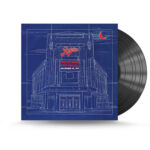
Styx – Cornerstone – 180 Gram Vinyl Record
Styx’s Cornerstone (1979) is the ninth studio album by the American rock band, known for their blend of progressive rock, arena rock, and pop rock elements. Released at the height of their popularity, Cornerstone represents a more radio-friendly and commercially polished sound compared to their earlier, more progressive work, such as The Grand Illusion (1977) and Pieces of Eight (1978). The album is significant for containing their first (and only) #1 hit single, “Babe”, which became a defining moment in the band’s career.
While Cornerstone maintains some of Styx’s signature blend of prog rock and arena rock, it leans more heavily into ballads and softer rock songs, a move that helped the band reach a wider audience but also marked a departure from the more complex, harder-edged material of their earlier albums. The shift in style caused some tension within the band, especially between vocalist/keyboardist Dennis DeYoung, who favored more melodic, pop-oriented songs, and guitarist Tommy Shaw, who preferred a harder, rock-driven sound.
The most notable change in Cornerstone is the increased focus on ballads and softer rock songs, with the album’s standout hit, “Babe,” being a perfect example. DeYoung’s piano-driven ballads dominate the record, featuring lush arrangements and emotionally charged lyrics. Songs like “First Time” and “Boat on the River” further explore this softer, more melodic approach.
While Styx had always been an arena rock band, Cornerstone embraces a more mainstream, pop-oriented sound. The production is cleaner and more radio-friendly, with less emphasis on the progressive rock complexity that characterized earlier albums. Tracks like “Why Me” and “Never Say Never” exemplify this arena rock/pop fusion, with catchy hooks and big choruses designed for mass appeal.
Although the album leans toward a softer sound, some tracks still retain the band’s progressive rock influences. The song “Love in the Midnight” features complex arrangements and changes in dynamics, while “Borrowed Time” incorporates theatrical elements and a harder rock edge, keeping some of the band’s prog roots alive.
Key Tracks
“Babe”: The band’s first #1 single and one of their most famous songs, “Babe” is a tender ballad written by Dennis DeYoung for his wife. Driven by piano and soft synthesizers, it features DeYoung’s heartfelt vocals and a simple yet effective arrangement. The song’s success helped propel Cornerstone to multi-platinum status and became a staple of Styx’s live shows, though it also sparked internal conflict due to its pop-oriented style.
“Boat on the River”: A departure from Styx’s typical sound, this track features a prominent mandolin and accordion, creating a folk-inspired, almost sea-shanty vibe. Sung by Tommy Shaw, it has a melancholic, wistful feel and stands out for its unique instrumentation, showing the band’s willingness to experiment with different genres.
“Borrowed Time”: Co-written by DeYoung and Shaw, “Borrowed Time” is one of the more upbeat, rock-oriented tracks on the album. The song features an energetic performance and touches on themes of uncertainty and the passage of time, with a dynamic structure that includes tempo changes and intricate instrumental sections.
“Why Me”: This song is another radio-friendly track, blending a catchy chorus with a groovy rhythm and pop sensibilities. It showcases DeYoung’s signature keyboard work and smooth vocals, with a reflective lyrical theme.
“Love in the Midnight”: The closing track is one of the more complex songs on the album, featuring layered harmonies, a mix of acoustic and electric guitars, and a dynamic arrangement that shifts between softer verses and more bombastic choruses. It’s a throwback to Styx’s progressive rock roots while still maintaining the album’s accessible sound.
As evidenced by tracks like “Babe,” “First Time,” and “Love in the Midnight,” the album’s dominant lyrical theme is love and relationships, often presented in a heartfelt and emotional manner. The introspective, romantic lyrics reflect the band’s desire to connect with a wider audience by focusing on more universal themes. Songs like “Borrowed Time” and “Why Me” deal with themes of uncertainty and introspection, reflecting on the challenges of navigating life’s unpredictability. These themes resonate with the era’s growing sense of disillusionment, as the late 1970s brought economic and social changes. With tracks like “Boat on the River,” the album also explores themes of escape and nostalgia, capturing a sense of longing for simpler times or places. This track in particular evokes a wistful, introspective mood, with its folk-inspired melody adding to the atmosphere of longing.
Keyboards and Vocals: DeYoung’s contributions are central to the album, with his keyboard work providing the foundation for many of the songs. His vocals, particularly on “Babe,” are emotional and polished, and his ability to craft memorable melodies is a key factor in the album’s accessibility.
Shaw’s guitar work takes a bit of a backseat on Cornerstone, but he still delivers memorable performances, particularly on tracks like “Boat on the River” and “Borrowed Time.” His vocals on “Boat on the River” bring a different texture to the album, with a more folk-influenced delivery that contrasts with DeYoung’s pop ballads.
Young’s guitar playing, though somewhat subdued compared to previous albums, brings a hard rock edge to tracks like “Borrowed Time.” His contributions help balance the softer, more melodic elements of the album, maintaining some of the band’s rock roots.
Cornerstone was a massive commercial success, reaching #2 on the Billboard 200 and going multi-platinum in the U.S. The album’s success helped Styx maintain their status as one of the top rock bands of the late 1970s and early 1980s. “Babe” became their most successful single, helping them reach a broader, more mainstream audience.
The album’s shift toward a softer, more pop-oriented sound caused internal friction within the band, particularly between DeYoung and Shaw. Shaw felt that the album moved too far away from the band’s rock roots, while DeYoung’s pop ballads like “Babe” were seen as emblematic of this shift. This tension would eventually lead to DeYoung’s temporary departure from the band in the early 1980s.
Cornerstone helped solidify Styx’s role in the development of arena rock and AOR (Album-Oriented Rock), influencing bands that followed with its blend of rock instrumentation and accessible, pop-leaning melodies. It also paved the way for Styx’s future experimentation with concept albums, such as Paradise Theatre (1981) and Kilroy Was Here (1983).
Cornerstone by Styx is a pivotal album in the band’s discography, marking a shift towards a more pop-oriented sound while still retaining elements of their rock and progressive roots. With hit singles like “Babe” and standout tracks like “Boat on the River” and “Borrowed Time,” the album showcases the band’s ability to craft emotionally resonant, radio-friendly songs while exploring new musical directions. Although the album’s softer style caused tension within the band, Cornerstone remains a beloved part of Styx’s legacy and a significant moment in their rise to mainstream success.
Gatefold Jacket
Brand new, never played and still in the factory plastic
Track Listing
Lights
Why Me
Babe
Never Say Never
Boat On The River
Borrowed Time
First Time
Eddie
Love In The Midnight
![Ultravox – Rage In Eden [Steven Wilson Stereo Mix]](https://www.roundflat.com/wp-content/uploads/2026/03/Ultravox-–-Rage-In-Eden-Steven-Wilson-Stereo-Mix-150x150.jpg)