
Description
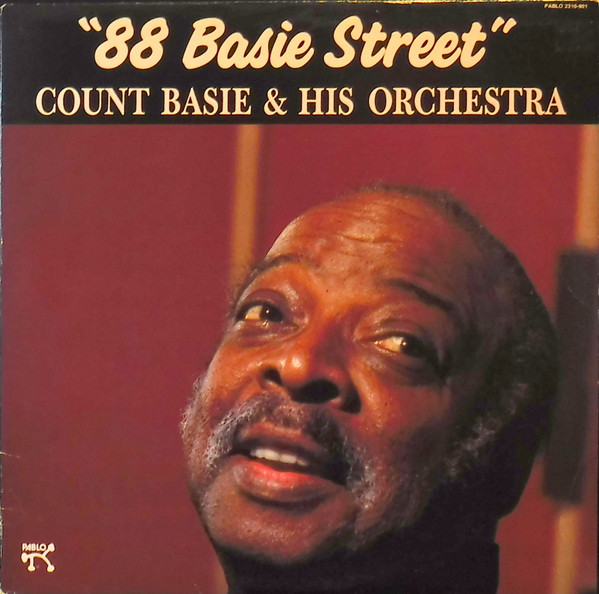
Count Basie And His Orchestra – 88 Basie Street – Cassette
Count Basie and His Orchestra’s 88 Basie Street (1983) is a standout album from the later period of legendary jazz bandleader Count Basie’s career. Released on Pablo Records, the album is a celebration of Basie’s signature big band swing sound, infused with the rich, sophisticated arrangements that made him a towering figure in jazz for over five decades. Recorded when Basie was well into his 70s, 88 Basie Street showcases his timeless piano playing and the brilliance of his orchestra, featuring a mix of original compositions and standards that highlight the ensemble’s mastery of swing, blues, and jazz traditions.
One of Basie’s final albums, the very appealing title cut seems to sum up his career, a lightly swinging groove with a strong melody. Two small-group performances with guest Joe Pass on guitar and the tenor of Kenny Hing add variety to a particularly strong set.
The title, referencing Basie’s piano—88 keys—hints at the album’s strong focus on the power of his playing, along with the full, vibrant sound of his orchestra.
88 Basie Street is deeply rooted in the big band swing style that Count Basie helped pioneer. The album features tight, intricate arrangements with the characteristic punch of a large horn section, combined with the subtle, understated swing of Basie’s piano. Basie’s famous ability to lead the band with a light touch, often allowing his piano to serve as the glue between the orchestra’s sections, is a key feature of the album.
The arrangements on 88 Basie Street are rich and sophisticated, featuring harmonically complex horn lines, vibrant brass, and rhythmic precision. These elements evoke the classic Basie sound of the 1930s and 1940s while remaining fresh and polished, showing that Basie’s orchestra had lost none of its vitality over the years.
Key Tracks
“88 Basie Street”: The title track is an original composition that perfectly encapsulates the essence of Count Basie’s music. It features a bluesy, mid-tempo groove with Basie’s piano at the center, providing sparse, elegant chords and melodic fills. The band’s brass and reed sections complement each other with tight, swinging phrases, maintaining the smooth, relaxed feel that Basie’s music is known for.
“Katy”: This track is another highlight, featuring a lively, upbeat tempo and the full power of Basie’s brass section. The tune showcases the orchestra’s ability to balance energetic horn lines with a smooth, driving rhythm section, creating a joyous, toe-tapping feel.
“Sunday At The Savoy”: A slower, blues-inflected piece, “Sunday At The Savoy” allows the soloists in Basie’s orchestra to shine. The song’s relaxed tempo and moody atmosphere give space for some intricate, soulful improvisation, particularly from the horns, while Basie’s understated piano work keeps the groove steady and deep.
One of the defining characteristics of Count Basie’s music is the effortless swing that permeates every track. Whether at a slow, bluesy tempo or an upbeat, driving pace, the orchestra maintains a sense of lightness and grace. Basie’s piano often works as the subtle backbone of this swing, providing a steady pulse without overpowering the band.
Many tracks on 88 Basie Street reflect the deep influence of the blues in Basie’s music. His piano playing, in particular, is filled with bluesy inflections and phrasing, and the compositions often draw from the 12-bar blues form, creating a strong connection to the roots of jazz.
The album highlights the strength of the orchestra’s ensemble playing, with meticulously arranged horn sections providing both power and precision. The brass and woodwinds are tightly synchronized, yet they retain the ability to swing loosely, creating a dynamic interplay between structure and freedom.
Though Basie is known for his minimalist piano style, his playing on 88 Basie Street is deeply effective. He plays sparingly, but every note counts, with subtle chord voicings and rhythmic comping that allow the other instruments to shine while still keeping a tight, swinging groove. His piano is the thread that holds everything together, whether leading with melodic riffs or providing a rhythmic foundation.
The brass and woodwind sections are in top form on this album. The arrangements make full use of the orchestra’s power, with rich, full harmonies and crisp, syncopated rhythms. Solos by individual players are well-executed, but it’s the interplay between the sections that really defines the orchestral sound.
Basie’s rhythm section, featuring Freddie Green on guitar, John Heard on bass, and Harold Jones on drums, provides a steady, swinging foundation throughout the album. The rhythm section is subtle and supportive, allowing the horns to take the spotlight while maintaining the momentum and groove.
88 Basie Street was released during the later phase of Count Basie’s career, when he had already established himself as one of the most influential figures in jazz. This period saw a resurgence of interest in Basie’s music, as the swing revival in the 1970s and 1980s brought his big band sound back into the spotlight. The album is a testament to Basie’s enduring relevance and ability to lead an orchestra with the same skill and elegance that had defined his earlier work.
Count Basie’s legacy in jazz cannot be overstated, and 88 Basie Street stands as a reminder of his profound influence on the genre. His work with big bands set the standard for swing music, and his minimalist piano style helped define the role of the rhythm section in jazz. This album, with its combination of old-school swing and modern polish, continues to influence musicians and fans alike.
Count Basie’s 88 Basie Street is a masterful album that captures the essence of big band swing in the hands of one of jazz’s most iconic figures. With its sophisticated arrangements, tight orchestral playing, and Basie’s minimalist yet powerful piano at the helm, the album stands as a testament to the enduring appeal of the Count Basie Orchestra. Released late in Basie’s career, 88 Basie Street serves as a reminder of his incredible contributions to jazz and his ability to continue pushing the boundaries of swing music well into the 1980s. For fans of jazz and big band music, this album is an essential listen.
Pablo Records
Song List
Bluesville
88 Basie Street
Contractor’s Blues
Blues Machine, The
Katy
Sunday At The Savoy


