Description
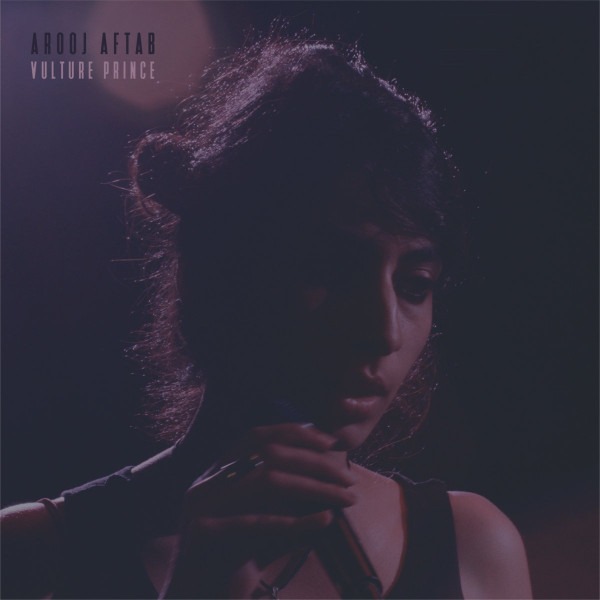
Arooj Aftab – Vulture Prince – Double Vinyl Record
Vulture Prince, released on April 23, 2021, is the third studio album by Pakistani-born, Brooklyn-based vocalist and composer Arooj Aftab, and it has been widely celebrated as her breakthrough masterpiece. Blending classical South Asian traditions with jazz, folk, minimalism, and ambient textures, the album is both deeply personal and universally resonant, a meditation on loss, longing, love, and remembrance. It was created in the aftermath of the death of Aftab’s younger brother, and the grief and tenderness of that experience permeate the music, giving the record a hushed yet powerful emotional weight.
The album is remarkable for its spare, atmospheric arrangements, which create vast sonic space around Aftab’s voice. Singing in Urdu and occasionally in English, her vocals are delivered with striking restraint — almost like whispers or invocations — allowing every word and phrase to linger. The instrumentation is minimal but deeply expressive: harp (by Maeve Gilchrist), double bass (by Petros Klampanis), violin (by Darian Donovan Thomas), subtle percussion, and guitar lines that weave around her vocals like threads of light. The production avoids excess, instead emphasizing silence, breath, and resonance, creating a meditative sound world that feels timeless.
The opening track, “Baghon Main” (“In the Gardens”), sets the tone with a floating, trance-like atmosphere, while “Diya Hai” unfolds with a slow, aching grace that reflects the album’s overarching themes of mourning and endurance. One of the most celebrated tracks, “Mohabbat,” is Aftab’s reinterpretation of a 20th-century ghazal (poem) by Hafeez Hoshiarpuri, and it became the album’s centerpiece. With its hypnotic progression and Aftab’s soulful delivery, “Mohabbat” brought her international acclaim, earning praise from Barack Obama (who included it on his 2021 summer playlist) and winning a Grammy Award for Best Global Music Performance in 2022.
Another highlight is “Last Night,” adapted from the poetry of the 13th-century Persian mystic Rumi. The piece moves with a dreamlike quality, as Aftab delivers lines about intoxication and spiritual ecstasy with a serene, almost otherworldly calm. Later, “Saans Lo” (“Breathe”) acts as a gentle invocation of healing, while the closing track, “Suroor,” ends the record with a fragile, glowing sense of transcendence. Each song feels like part of a ritual — intimate, deliberate, and sacred.
Vulture Prince is an album about absence and memory, but it never collapses into despair. Instead, it radiates resilience and beauty, transforming grief into something luminous. The vulture, often a symbol of death, here becomes an emblem of transformation and continuity — of finding life even in mourning.
Critics praised the album not only for its stylistic originality but also for its ability to bridge cultures and eras. By weaving Urdu poetry and ghazal traditions into a contemporary, minimalist framework, Aftab created a work that feels at once rooted in heritage and boldly forward-looking. The album earned widespread acclaim, landing on many “Best of 2021” lists and firmly establishing Arooj Aftab as one of the most distinctive and important new voices in global music.
In the broader landscape, Vulture Prince sits at the intersection of classical, jazz, ambient, and world music, yet it resists being boxed into any single category. It is an album best experienced in full — a meditative journey that invites stillness, reflection, and emotional release. More than just a career milestone, it has become a modern classic in its own right, proof of the universal power of music to articulate grief, beauty, and love across languages and cultures.
Brand new, never played and still sealed in the factory plastic
Track Listing
Baghon Main
Diya Hai
Inayaat
Last Night
Mohabbat
Saans Lo
Suroor
Udhero Na