Description
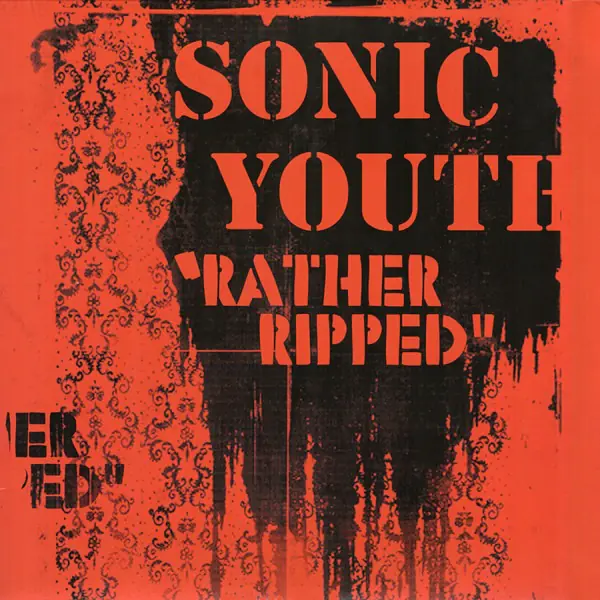
Sonic Youth – Rather Ripped – Vinyl Record
Sonic Youth’s Rather Ripped, released on June 13, 2006, is the band’s 14th studio album and, in many ways, their most straightforwardly accessible. Coming after the sprawling experimentation of albums like Murray Street (2002) and Sonic Nurse (2004), Rather Ripped strips back the improvisational noise jams and extended guitar deconstructions that had long defined Sonic Youth, instead presenting a concise, melodic, and almost pop-leaning collection of songs. It was also the band’s final album with their longtime major label Geffen Records, marking the end of their 17-year stint in the mainstream industry.
Part of what shapes Rather Ripped is the absence of Jim O’Rourke, who had contributed significantly to the layered textures of the previous three records. Without him, the core quartet—Thurston Moore, Kim Gordon, Lee Ranaldo, and Steve Shelley—crafted a leaner, tighter sound. The result is an album that emphasizes melody, structure, and clarity, while still retaining the band’s trademark dissonance and experimental guitar tunings. It is often described as Sonic Youth’s “pop record,” though that term is relative; it’s pop filtered through their distinct lens of noise, feedback, and art-punk sensibility.
The album opens with “Reena”, sung by Kim Gordon, which sets the tone with jangly guitars and a shimmering, upbeat feel. It’s followed by “Incinerate”, one of the most immediately catchy songs in their entire catalog. With its driving rhythm and ringing guitar lines, it became the closest thing Sonic Youth had to a mainstream radio single since “Kool Thing.” Tracks like “Do You Believe in Rapture?” and “What a Waste” showcase Thurston Moore’s laid-back delivery against cleaner, more spacious arrangements, while “Sleepin’ Around” and “Jams Run Free” balance melodic accessibility with the band’s love of alternate tunings. Lee Ranaldo’s lone contribution, “Rats,” stands out with its funky bassline and slightly chaotic energy, acting as one of the album’s noisier, more free-form moments.
The album is more personal and introspective than overtly political or abrasive, reflecting themes of love, loss, longing, and the passage of time. There’s a maturity in both tone and delivery, as if the band, then in their late 40s and early 50s, were reflecting on life and relationships with a mix of clarity and melancholy. Yet their trademark wit and art-school detachment remain intact, giving the songs a balance of emotional resonance and intellectual cool.
Critics received Rather Ripped warmly, often praising it as one of the band’s most accessible and cohesive late-period works. While some longtime fans missed the sprawling experimentation of albums like Daydream Nation (1988) or Washing Machine (1995), many admired the band’s ability to streamline their sound without losing their identity. Publications like Pitchfork and Rolling Stone highlighted the record’s melodic strength and consistency, noting that it proved Sonic Youth could make a “pop” album on their own terms.
Rather Ripped serves as both a refinement and a culmination of Sonic Youth’s ability to merge experimental guitar rock with pop sensibility. It’s not as confrontational as their 1980s work, nor as expansive as their early 2000s records, but it shines in its concision and clarity. For some fans, it represents the perfect entry point into Sonic Youth’s world—accessible enough to draw listeners in, yet still unmistakably theirs. It also stands as the beginning of the final chapter in their career, leading into their last two albums (The Eternal, 2009, and Simon Werner a Disparu, 2011) before their breakup in 2011.
Brand new, never played and still sealed in the factory plastic
Track Listing
Reena
Incinerate
Do You Believe In Rapture?
Sleepin Around
What A Waste
Jams Run Free
Rats
Turquoise Boy
Lights Out
The Neutral
Pink Steam
Or