
Description
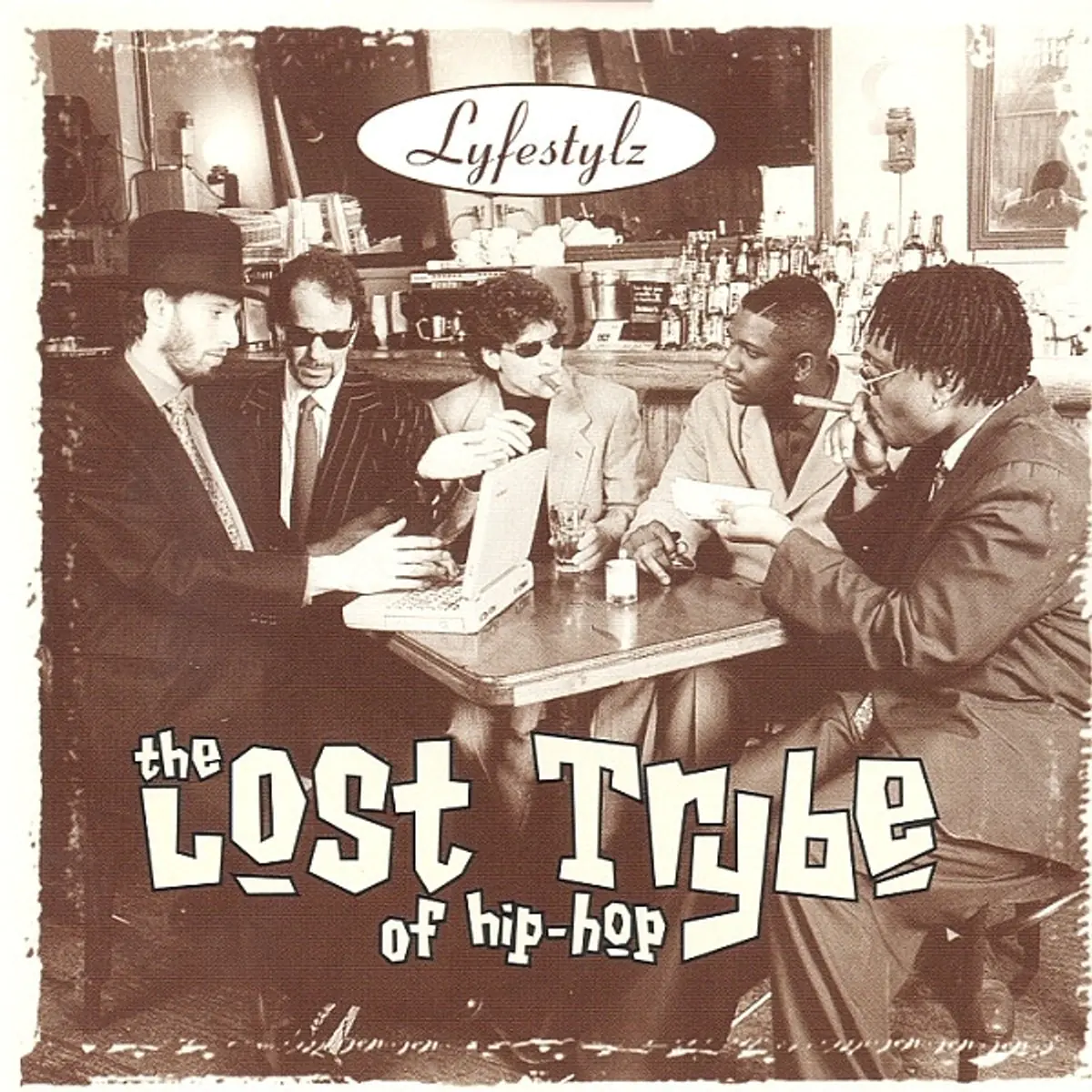
The Lost Trybe of Hip-Hop – Lyfestylz – Compact Disc
Lyfestylz is a deep cut from the crowded independent hip-hop landscape of 1996, the kind of album that rewards listeners willing to move beyond the era’s familiar marquee names. The Lost Trybe of Hip-Hop works in a rugged mid-1990s vocabulary—sample-based drums, low bass, clipped scratches, and verses built around group chemistry—without sounding like a copy of one specific regional movement. Issued by Raging Bull Records, the album balances street-level observation with the pleasure of microphone craft. Its thirteen tracks give the group room to establish a point of view rather than relying on a single breakout song.
“Hitmen” opens with a direct, competitive tone, followed by “Walkin’ on the Wildside,” which places the voices over a looser, more reflective groove. “Masta Plan” appears in both remix and original form, allowing the listener to hear how a different beat can change the weight and spacing of the same central idea. The remix arrives early and immediately emphasizes the group’s ability to trade lines, while the original closes the disc like a return to the source. That bookending gives the album more structure than a casual track list might suggest.
The middle run is especially representative of the record’s range. “Backlash,” featuring Enamigo, is tense and confrontational. “U.N.I. Unite” turns toward collective identity, and “Lampin in the Layer” settles into an easy head-nod rhythm without losing lyrical focus. “Pressure,” featuring M. Hale, brings a heavier emotional edge, while the title track asks the group to define its own “lyfestylz” rather than simply perform toughness. The production leaves enough open space for each voice to register clearly, an important quality on an album built around multiple MCs.
“Yo Here We Are” has the feel of a formal introduction arriving after the listener has already spent time inside the group’s world. “White Collar Crime” broadens the subject matter beyond neighborhood narratives, and “Quarantine” and “Wicked” push the second half back toward darker, denser material. The album belongs to the boom-bap era, but it is not trapped in one tempo. Small changes in drum programming, bass movement, and sample color keep the sequence from becoming a single long cipher.
Because The Lost Trybe of Hip-Hop did not leave behind a large, widely distributed catalog, Lyfestylz carries the appeal of a complete statement from an under-documented group. It is best approached on its own terms: thirteen tracks of independent 1996 rap, made before online discovery could give every regional release a second life. Collectors of overlooked golden-era hip-hop will appreciate the period production and group interplay, while newer listeners get an album that demonstrates how much capable, distinctive music existed outside the major-label narrative.
Brand new, never played and still sealed in the factory plastic



Reviews
There are no reviews yet.