Description
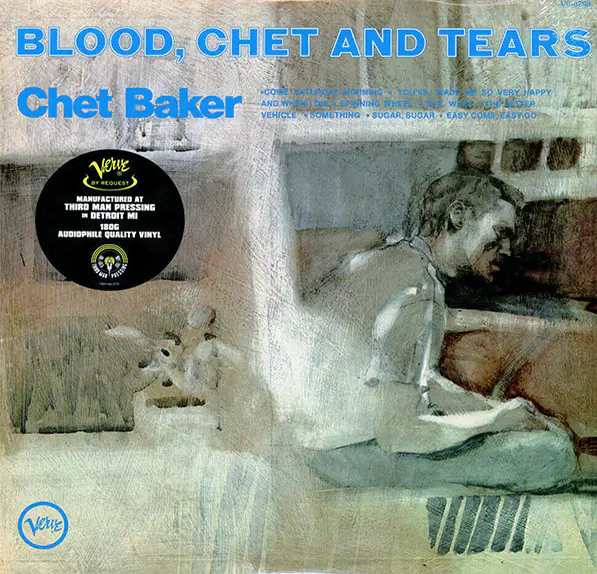
Chet Baker – Blood, Chet And Tears – 180 Gram Vinyl Record
Blood, Chet and Tears by Chet Baker is one of the most unusual and stylistically adventurous recordings in Baker’s discography, blending jazz, pop orchestration, soft rock, and late-1960s studio experimentation into a highly distinctive and often controversial album. Released in 1970, the record reflected both the changing musical landscape of the era and attempts to reposition Baker within a contemporary market increasingly influenced by rock, psychedelic pop, and orchestral singer-songwriter music. Unlike the intimate cool jazz recordings that originally established Baker as a legendary figure of West Coast jazz, Blood, Chet and Tears moves into lushly arranged territory influenced by orchestral pop and jazz-rock crossover trends emerging at the end of the 1960s.
The album’s title intentionally references Blood, Sweat & Tears, signaling its stylistic departure from traditional small-group jazz toward a broader and more commercially accessible sound. While many longtime jazz purists were initially surprised by the album’s direction, modern listeners often appreciate it as a fascinating snapshot of Baker navigating the evolving musical environment of the early 1970s while retaining elements of his uniquely fragile emotional style.
Blood, Chet and Tears incorporates orchestral arrangements, electric instrumentation, jazz-rock rhythms, pop melodies, brass sections, and contemporary studio production techniques. Baker’s trumpet playing remains lyrical and emotionally understated, but the surrounding arrangements are considerably more dramatic and cinematic than the sparse cool jazz settings associated with his earlier classic recordings. The album balances elements of jazz improvisation with soft rock textures and orchestral pop sophistication, creating a sound that feels reflective of the transitional musical climate between late-1960s jazz and early-1970s adult contemporary experimentation.
Baker’s famously delicate vocal style adds an additional emotional layer to the album. His soft, almost conversational singing contrasts with the richer orchestration, producing a mood that feels melancholic, vulnerable, and dreamlike. Even within the album’s more commercial framework, Baker’s emotional fragility and understated phrasing remain central to its atmosphere.
Lyrically and emotionally, the album explores themes of heartbreak, romantic longing, loneliness, introspection, and emotional disillusionment, subjects that had long defined Baker’s artistic identity. However, the production places these themes within a more expansive and contemporary sonic setting, allowing the album to bridge classic jazz ballad traditions with the orchestral pop sensibilities of its era.
Critics and jazz historians have often viewed Blood, Chet and Tears as an overlooked and unconventional chapter in Baker’s career. While it did not achieve the iconic status of his earlier cool jazz masterpieces, the album has gained appreciation over time among listeners interested in genre-blending jazz recordings and transitional late-1960s studio experimentation. Its fusion of jazz lyricism, orchestral production, and soft-rock influences offers insight into how jazz artists adapted to the rapidly changing musical culture of the period.
Listeners who appreciate artists such as Burt Bacharach, Gil Evans, Bill Evans, Nick Drake, and Miles Davis often find Blood, Chet and Tears compelling because of its emotional atmosphere, orchestral textures, and crossover approach between jazz and sophisticated pop music.
Blood, Chet and Tears remains a curious yet rewarding entry in Chet Baker’s catalog, admired for its emotional vulnerability, stylistic ambition, and unique place within the evolution of jazz during a period of intense musical transformation. The album stands as an intriguing example of Baker’s willingness to explore beyond traditional jazz boundaries while preserving the fragile emotional intimacy that made his artistry so enduring and influential.
Brand new, never played and still sealed in the factory plastic
Track Listing
Easy Come, Easy Go
Sugar, Sugar
Something
Spinning Wheel
Vehicle
The Letter
And When I Die
Come Saturday Morning
Evil Ways
You’ve Made Me So Very Happy