Description
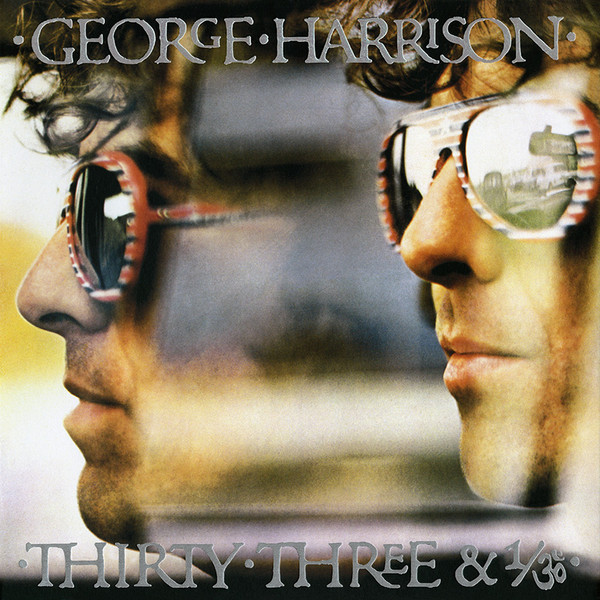
George Harrison – Thirty Three & 1/3 – 180 Gram Vinyl Record
Remastered for vinyl from the original analogue stereo master tapes.
Album replicates design and construction of the original release.
180g Heavyweight vinyl.
Brand new, never played and still sealed in the factory plastic
Thirty Three & 1/3, released in November 1976, marks a notable turning point in George Harrison’s solo career. It was his seventh solo studio album and the first to be released under his own label, Dark Horse Records, which gave him a greater degree of creative and business autonomy than he’d had since the Beatles dissolved. The title is a clever double entendre—referring both to Harrison’s age at the time of recording (he turned 33⅓ during its production) and to the standard speed at which vinyl LPs spin. That bit of playful wordplay sets the tone for the album, which is marked by a warmth, wit, and musical richness that signaled a rejuvenated Harrison, both personally and artistically.
After the somewhat strained critical response to his earlier solo albums like Dark Horse (1974), which was marred by Harrison’s vocal issues and a sense of creative fatigue, Thirty Three & 1/3 came as a refreshing, confident statement. It blends elements of rock, funk, soul, and pop in a way that feels both of its time and uniquely Harrison. Gone is the heavy solemnity that defined much of Living in the Material World (1973). Instead, this album showcases a man more at ease with himself—comfortable enough to poke fun at his own legal troubles, pay tribute to his musical idols, and explore love and spirituality without sounding overly didactic or aloof.
The album opens with “Woman Don’t You Cry for Me,” a funk-infused track originally written in the late ’60s during the All Things Must Pass era. With its tight clavinet riffs and punchy rhythm section, it immediately establishes the groove-oriented, polished feel that permeates much of the album. “Dear One” follows with a more contemplative, spiritual tone, offering a lyrical dedication to Paramahansa Yogananda, the Indian yogi and spiritual figure whose writings deeply influenced Harrison. This track, with its layered harmonies and gentle slide guitar, bridges the spiritual themes of his earlier work with the more accessible sound he adopted in this era.
Perhaps the album’s most famous song is “Crackerbox Palace,” a surreal, upbeat number inspired by a chance meeting with George Greif, the manager of comedian Lord Buckley, who invited Harrison to the late Buckley’s eccentric estate—nicknamed Crackerbox Palace. The track is whimsical, full of odd lyrical turns, and was accompanied by a Monty Python-esque music video directed by Eric Idle, underscoring Harrison’s affinity for British absurdist humor. In a similar tongue-in-cheek vein is “This Song,” Harrison’s satirical response to the legal battle surrounding his 1970 hit “My Sweet Lord,” which was ruled to have subconsciously plagiarized The Chiffons’ “He’s So Fine.” “This Song” skewers the absurdity of the lawsuit, with legal references embedded in the lyrics and musical quotes from various genres; it even features Eric Idle as a commentator, further emphasizing Harrison’s sardonic attitude toward the whole ordeal.
Elsewhere, the album turns introspective and soulful. “Beautiful Girl,” a tender ballad originally written in 1969, is among Harrison’s finest love songs, with its delicate guitar work and understated sincerity. “Pure Smokey” is another standout—an homage to Smokey Robinson and the joy his music brought to Harrison during formative years. It’s a smooth soul groove, drenched in warmth and gratitude, and it’s a notable example of how Harrison used this album to acknowledge his musical influences with humility and affection. The closing track, “Learning How to Love You,” is perhaps the album’s most musically refined moment. Influenced by the style of Burt Bacharach, it’s a jazzy, sophisticated ballad with a tender vocal delivery and subtle harmonic shifts that reveal Harrison’s growth as a composer and arranger.
The musicianship throughout the album is tight, tasteful, and elevated by a stellar lineup. Harrison himself plays guitar and keyboards, and the album benefits from contributions by keyboardist Billy Preston (longtime collaborator and friend), bassist Willie Weeks, drummer Alvin Taylor, and saxophonist Tom Scott, who arranged the horns. The arrangements are rich but never overbearing, and the production—handled by Harrison and Tom Scott—is clean, warm, and inviting, a noticeable evolution from the rougher sonic edges of Dark Horse.
Thirty Three & 1/3 reflects a balance between personal reflection, spiritual inquiry, and light-hearted commentary on fame and the music industry. It’s one of Harrison’s most approachable albums, yet it never compromises on depth. His vocals are in far better shape than on his previous album, due in part to recovery from the laryngitis that plagued him in 1974, and the vocal performances here are some of his most confident and expressive.
The album was warmly received, though it didn’t achieve blockbuster commercial success. In the U.S., it peaked at #11 on the Billboard charts, while in the UK it only reached #35. Despite this, it has grown in reputation over the years and is often cited by fans and critics alike as one of Harrison’s most underrated works. It lacks the grandiosity of All Things Must Pass or the pop immediacy of Cloud Nine, but what it offers is something more intimate: a portrait of a mature artist who has weathered fame, spiritual searching, and personal challenges—and emerged with grace, humor, and renewed creativity.
In retrospect, Thirty Three & 1/3 feels like the first truly comfortable George Harrison solo record. It doesn’t try too hard to impress, nor does it bear the weight of needing to prove anything. It simply flows—with elegance, wit, and soul. It’s an album that rewards repeat listens and stands as a testament to Harrison’s unique voice, both musically and spiritually, within and beyond the shadow of the Beatles.
Track Listing
Woman Don’t You Cry For Me
Dear One
Beautiful Girl
This Song
See Yourself
It’s What You Value
True Love
Pure Smokey
Crackerbox Palace
Learning How To Love You