Description
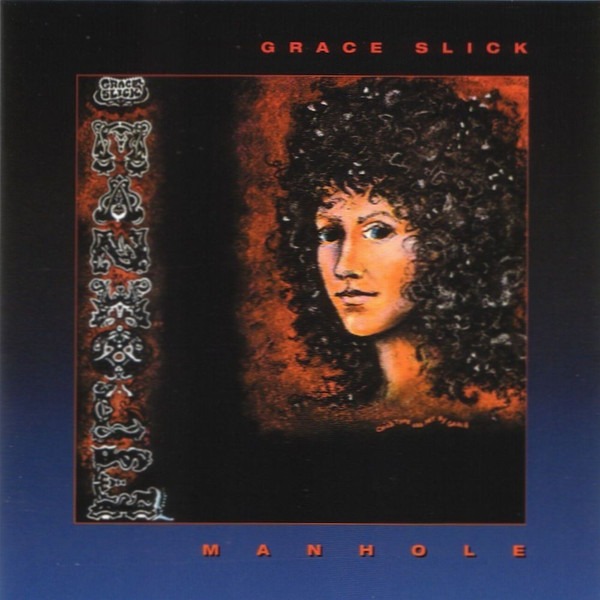
Grace Slick – Manhole – 180 Gram Vinyl Record
Manhole is the debut solo album by Grace Slick, released in 1974. Far removed from the straightforward rock sound that had made her famous with Jefferson Airplane, the album is an ambitious, deeply personal, and highly experimental work that blends psychedelic rock, progressive rock, jazz, folk, classical music, and art rock. It remains one of the most adventurous solo projects by any major rock artist of the 1970s.
By the time Manhole was recorded, Grace Slick was already recognized as one of rock’s most distinctive voices. Her commanding vocals on classics such as White Rabbit and Somebody to Love had made her an icon of the psychedelic era. Rather than using her solo debut to capitalize on that success, she chose to create an intensely personal record that reflected her fascination with surrealism, psychology, dreams, and spiritual exploration.
The album’s unusual title originated from a dream. Slick reportedly envisioned music emerging from a manhole cover, an image that perfectly captures the album’s dreamlike, often unpredictable character. Throughout the record, reality and fantasy blend together, creating an atmosphere that feels more like a psychological journey than a conventional rock album.
Musically, Manhole is remarkably eclectic. Psychedelic rock provides the foundation, but the album incorporates orchestral passages, jazz harmonies, progressive rock structures, acoustic folk, and experimental vocal arrangements. Songs frequently change mood, tempo, and instrumentation, reflecting Slick’s refusal to be constrained by commercial expectations.
One of the album’s defining strengths is Grace Slick’s extraordinary voice. Her powerful contralto had already become legendary, but Manhole reveals additional dimensions of her artistry. She moves effortlessly between delicate introspection, theatrical storytelling, and soaring, emotionally charged passages. Her vocal performances remain among the most compelling aspects of the album.
The songwriting is equally adventurous. Slick explores themes of identity, consciousness, love, mortality, dreams, and personal transformation with poetic ambiguity. Rather than presenting linear narratives, many songs unfold like streams of consciousness, inviting multiple interpretations and rewarding repeated listening.
The arrangements are rich and imaginative. Piano, synthesizers, strings, brass, woodwinds, acoustic and electric guitars, and layered vocal harmonies combine to create lush sonic landscapes. Despite the complexity, the music rarely feels cluttered, as each element contributes to the album’s surreal atmosphere.
One of the album’s most remarkable features is the extended suite “Epic No. 38.” Occupying nearly the entire second side of the original LP, the composition moves through multiple musical sections, blending orchestral writing, rock instrumentation, jazz influences, and spoken passages into a large-scale work that reflects Slick’s classical interests and progressive ambitions. It stands as one of the boldest pieces she ever recorded.
The production emphasizes atmosphere and depth rather than radio-friendly immediacy. Spacious mixes, layered instrumentation, and subtle studio effects create an immersive listening experience that encourages listeners to engage with the album as a complete artistic statement rather than a collection of individual songs.
When Manhole was released, it received mixed reviews. Some critics admired its ambition and originality, while others found its experimental nature challenging compared with the more accessible work of Jefferson Airplane and Jefferson Starship. Commercially, it achieved only modest success, but over time it has developed a devoted following among fans of progressive and psychedelic rock.
In retrospect, Manhole is often viewed as one of the most revealing portraits of Grace Slick as an individual artist. Freed from the collaborative dynamics of a band, she pursued her own creative instincts without compromise, resulting in an album that is unapologetically personal and highly original.
The record also reflects the creative freedom that characterized much of the early 1970s, when established artists were often encouraged to explore unconventional ideas without immediate concern for commercial expectations. Manhole exemplifies that spirit of artistic risk-taking.
With its fearless experimentation, sophisticated arrangements, and captivating vocal performances, Manhole stands as one of the most distinctive solo albums of the 1970s. It showcases Grace Slick not only as one of rock’s greatest singers but also as an imaginative composer and conceptual artist. Challenging, atmospheric, and richly rewarding, Manhole remains an overlooked masterpiece that reveals the full breadth of Grace Slick’s creative vision.
Brand new, never played and still sealed in the factory plastic
Track Listing
Jay
Theme From The Movie “Manhole”
?Come Again? Toucan
It’s Only Music
Better Lying Down
Epic (#38)