Description
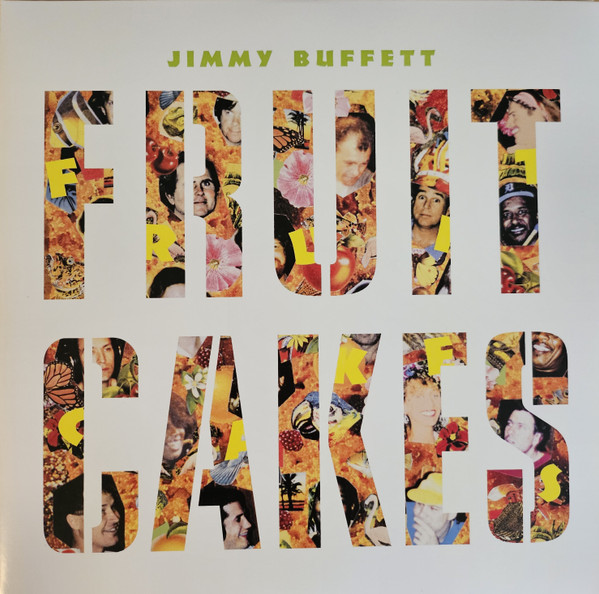
Jimmy Buffett – Fruitcakes – Double Vinyl Record
A Witty, Warm, and Philosophical Trop-Rock Album with a Literary Soul
Released on May 24, 1994, Fruitcakes is the eighteenth studio album by beloved American singer-songwriter Jimmy Buffett. By this point in his career, Buffett was already a cultural icon—famous not only for his laid-back “Gulf and Western” musical style, but also for his storytelling, beachside escapism, and deeply loyal fanbase of self-proclaimed “Parrotheads.” But Fruitcakes is more than just another sun-drenched soundtrack for margaritas and hammocks. It’s a clever, introspective, and unexpectedly literary record that blends Buffett’s signature island-flavored humor with philosophical musings, cultural commentary, and a few surprising musical choices. Released after a five-year hiatus from studio albums, Fruitcakes proved that Buffett was still evolving, still curious, and still able to turn his own brand of trop-rock into something both fun and thought-provoking.
Fruitcakes debuted at #5 on the Billboard 200, marking one of Buffett’s most commercially successful releases. It resonated with longtime fans while also introducing his music to a younger generation. The title itself is classic Buffett—playful, irreverent, and yet loaded with meaning. “Fruitcakes,” in the Buffett universe, refers not only to the literal baked good but also to the quirky, eccentric people who populate the world, especially the one Buffett has cultivated through his songs. “We need more fruitcakes in this world and fewer bakers!” he declares in the title track, a line that encapsulates the album’s celebration of individuality, weirdness, and the beautiful chaos of life.
The opening title track, “Fruitcakes,” is a spoken-word stream-of-consciousness anthem set to a breezy groove. It’s part tropical jam, part stand-up monologue, and part cultural critique. Buffett muses on everything from religion and shopping malls to science and human nature. With references to Carl Jung, astrology, and the moon landing, it’s a far cry from the simplicity of “Cheeseburger in Paradise,” showing Buffett’s intellectual curiosity and literary influences (he was, after all, a bestselling author as well as a musician). Despite its whimsy, “Fruitcakes” reveals a deeper layer to Buffett—someone who can mix sociology with steel drums and somehow make it work.
Other standout tracks include “Lone Palm,” a reflective and wistful song that showcases Buffett’s more introspective side. It tells the story of solitude and time passing on an island, wrapped in gentle guitar work and warm harmonies. There’s a timelessness to it that taps into the underlying melancholy present in much of Buffett’s work—a subtle reminder that paradise often comes with its own share of longing.
“Six String Music” pays tribute to the life of a working musician and the enduring power of the guitar, both as a literal instrument and a metaphor for storytelling and survival. Meanwhile, “Delaney Talks to Statues” is a sweet ode to Buffett’s daughter, filled with poetic imagery and gentle affection. These tracks stand out for their emotional resonance and restraint, proving Buffett can do more than just soundtrack a beach party—he can write with depth and tenderness, too.
One of the more curious inclusions on the album is Buffett’s cover of the Grateful Dead’s “Uncle John’s Band.” It’s a loving reinterpretation that fits surprisingly well within the Fruitcakes universe. The Dead’s ethos of community, freedom, and exploration aligns closely with Buffett’s own worldview, and his rendition adds a tropical twist to the countercultural classic without losing its heart.
Musically, Fruitcakes continues Buffett’s tradition of blending Caribbean instrumentation (steel drums, congas, marimba) with folk, country, soft rock, and calypso, but this time with a more polished production style thanks to longtime collaborator Michael Utley and producer Russ Kunkel. The arrangements are lush and layered, yet maintain a loose, organic feel that suits the album’s themes of spontaneity and eccentricity.
The album frequently dips into philosophy, aging, and the absurdities of modern life, more so than previous records. Buffett seems to have come back from his studio hiatus with a renewed sense of purpose—not to change who he is, but to sharpen the wit and broaden the scope. Fruitcakes is packed with sly observations, literary references, and musings on identity, mortality, and what it means to stay sane in a complicated world. It’s an album that rewards close listening, even while it invites you to sip a frozen drink and watch the sunset.
From a cultural and commercial perspective, Fruitcakes was a turning point. It was Buffett’s first platinum-certified studio album, cementing his status as more than a one-hit-wonder or cult figure. The album’s success helped fuel his growing empire of books, merchandise, restaurants (Margaritaville), and live tours, turning Jimmy Buffett into a brand and lifestyle as much as a musician. Yet despite this massive commercial footprint, Fruitcakes never feels corporate—it retains the quirky, DIY spirit that made Buffett beloved in the first place.
Fruitcakes is a layered and literary entry in Jimmy Buffett’s long discography. While it still features his trademark coastal escapism and island grooves, it also offers a deeper dive into his worldview—one shaped by books, politics, family, and philosophy. It’s an album that laughs at the absurd, embraces the eccentric, and still manages to dance barefoot in the sand. Whether you come to it for the good vibes or the sly social commentary, Fruitcakes stands as a testament to Buffett’s unique ability to blend the silly and the serious into something joyfully profound.
Brand new, never played and still sealed in the factory plastic
Track Listing
Everybody’s Got A Cousin In Miami
Fruitcakes
Lone Palm
Six String Music
Uncle John’s Band
Love In The Library
Quietly Making Noise
Frenchman In The Night
Sunny Afternoon
Vampires, Mummies And The Holy Ghost
She’s Got You
Delaney Talks To Statues
Apocalypso