
Description
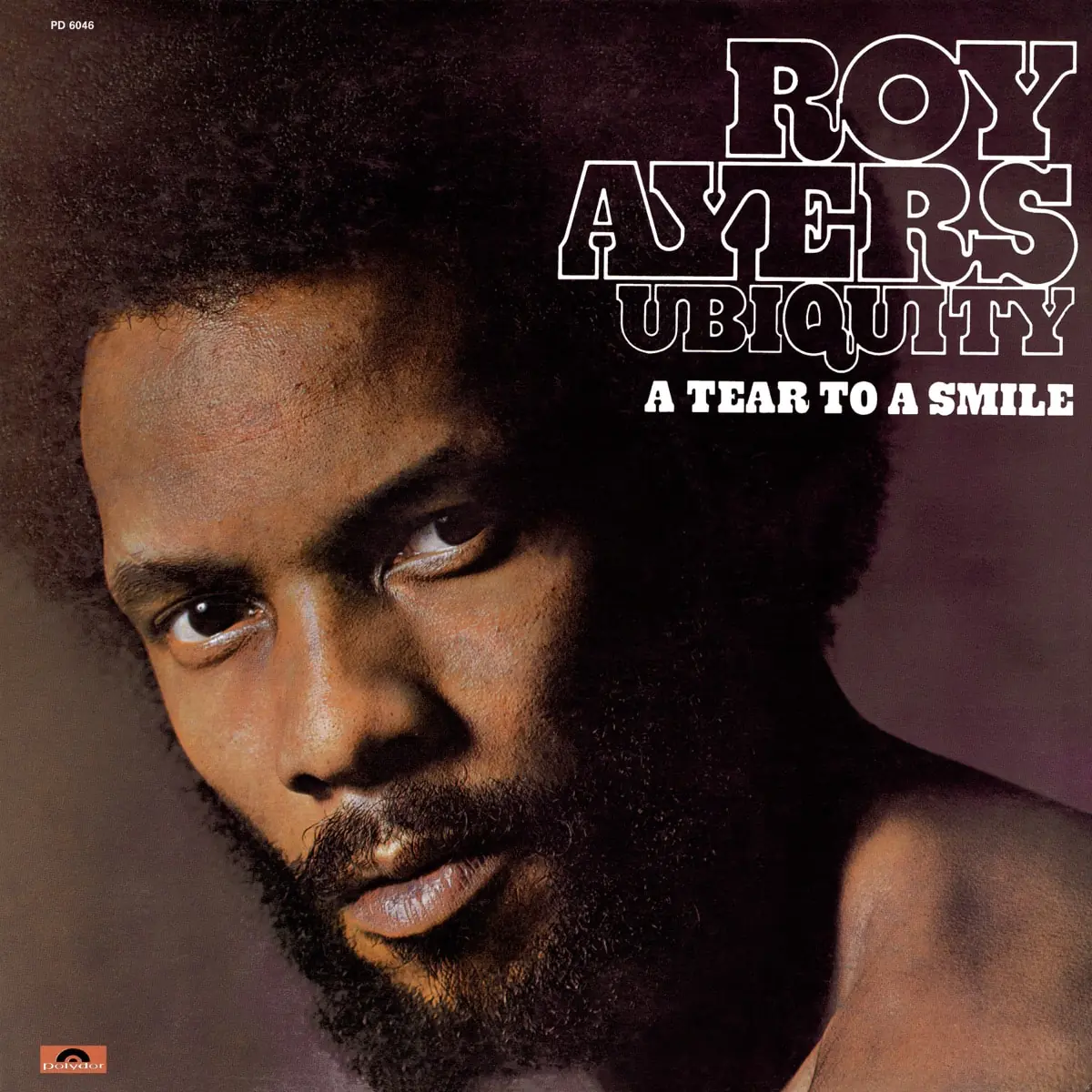
Roy Ayers Ubiquity – A Tear to a Smile – Vinyl Record
A Tear to a Smile sits at a crucial point in Roy Ayers Ubiquity’s development, where the band’s jazz foundation opens fully into vocal soul, funk, and the warm rhythmic language that would soon produce Everybody Loves the Sunshine. Released in 1975, the album is guided by Ayers’ vibraphone but never confined by it. Voices, electric piano, bass, percussion, horns, and strings share the foreground, giving the record a communal character. The arrangements are polished, yet the grooves retain the looseness of musicians responding to one another rather than simply executing a studio plan.
“2000 Black” begins as a forward-looking statement of Black identity and possibility, written by Wayne Garfield and Carl Clay and carried by a rolling groove. It establishes the album’s social awareness without turning the music into a speech. “Magic Lady” is more intimate, with Ayers’ vibraphone adding light around the vocal line, while “Show Us a Feeling” brings a quick, bright lift. “Ebony Blaze” and “Time and Space” complete the first side by moving between romance, reflection, and cosmic language, themes Ayers would continue exploring throughout the decade.
The musicianship is subtle but deep. William Allen’s bass and arranging play a central role, and Edwin Birdsong contributes to the writing on several tracks. Ayers uses the vibraphone as rhythm, atmosphere, and melody, often within the same song. He does not need a long solo to identify the record; a few ringing notes can change the color of the whole ensemble. Vocals are treated similarly, sometimes carrying a full lyric and sometimes functioning as another instrumental layer. This fluid exchange between jazz technique and song form is the essence of Ubiquity.
Side two opens with “No Question” and moves into a version of Earth, Wind & Fire’s “The Way of the World.” The choice is revealing: Ayers recognizes the song’s spiritual warmth but filters it through his own gentler, vibraphone-led sound. “The Old One Two (Move to Groove)” shifts the focus toward movement, “Miles (Love’s Silent Dawn)” offers a graceful tribute, and the title track closes with the album’s central transformation—from hurt toward openness, not through denial but through shared feeling.
A Tear to a Smile rewards listeners who appreciate the space between categories. It is a jazz record with memorable vocals, a soul record shaped by improvisers, and a funk record whose groove is as concerned with texture as impact. The album also helps explain why Ayers became such an important source for later hip-hop and neo-soul artists: his music leaves emotional and rhythmic space that invites new conversations. Heard in its original ten-song sequence, the record is both immediately welcoming and richly arranged, a warm bridge between Ubiquity’s earlier jazz-funk and the widely loved work just ahead.
Brand new, never played and still sealed in the factory plastic







Reviews
There are no reviews yet.