Description
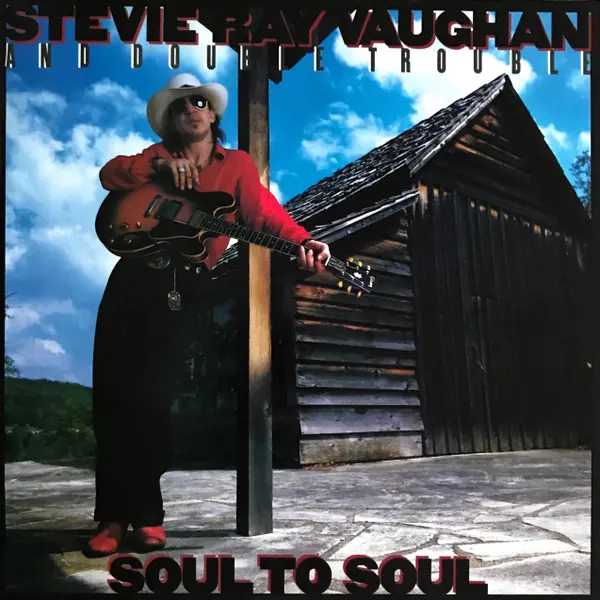
Stevie Ray Vaughan And Double Trouble – Soul To Soul – 180 Gram Vinyl Record
Stevie Ray Vaughan and Double Trouble’s Soul to Soul, released in 1985, is a dynamic, gritty, and emotionally charged album that marks both an artistic expansion and a personal crossroads in Vaughan’s career. As the Texas blues guitar legend’s third studio album, Soul to Soul follows the explosive success of Texas Flood (1983) and Couldn’t Stand the Weather (1984), and shows Vaughan pushing the boundaries of his sound while grappling with the pressures of fame, addiction, and artistic identity.
Recorded with his longtime rhythm section — Chris Layton on drums and Tommy Shannon on bass — Soul to Soul also features keyboardist Reese Wynans, whose addition marks a key sonic shift. Wynans’ Hammond B3 organ and piano playing broaden the band’s palette, adding soulful depth and gospel-tinged warmth to the album’s mix of blues, rock, and funk. This was the first Double Trouble album to include a full-time keyboardist, and that expanded instrumentation contributes to the more layered, groove-heavy sound that defines much of Soul to Soul.
The album opens with “Say What!”, a fiery instrumental jam full of wah-wah drenched guitar squeals and funky swagger — a declaration that this isn’t just another blues record. From there, Vaughan alternates between smoldering slow blues, high-octane shuffles, and heartfelt ballads. Tracks like “Ain’t Gone ’n’ Give Up on Love” show his ability to wring raw emotion from both his voice and guitar, while “Lookin’ Out the Window” and “You’ll Be Mine” lean into a harder, more aggressive edge. Vaughan also covers Hank Ballard’s “Little Sister”, delivering it with Texas-roadhouse grit.
One of the most enduring tracks on the album is “Life Without You”, a slow, soulful ballad that reveals a vulnerable side of Vaughan rarely seen in his earlier work. Dedicated to a friend who passed away, the song is a meditation on loss, redemption, and the spiritual power of music — themes that would become even more prominent in Vaughan’s later work after he entered recovery. His guitar solo on this track is searing and lyrical, balancing technical brilliance with pure emotional weight.
Soul to Soul was well received, though some noted that its looser, jammier feel lacked the laser focus of its predecessors. But for many fans and musicians, this album marks an important moment of growth. Vaughan was moving beyond the tight, electrified Chicago blues of his early records and embracing a broader, more expressive sound. It’s the work of an artist taking risks — not always landing cleanly, but constantly reaching.
Tragically, Soul to Soul was created during a time when Vaughan was struggling with substance abuse, and the tension between his onstage brilliance and offstage chaos is palpable in the music. That inner conflict gives the album its edge — a push and pull between control and chaos, soul and survival.
Soul to Soul stands as a pivotal entry in Stevie Ray Vaughan’s all-too-brief but towering legacy. It captures a master musician in transition — expanding his sound, deepening his voice, and channeling his pain into art. While later albums like In Step (1989) would reflect a cleaner, revitalized Vaughan, Soul to Soul is the sound of the storm before the calm: fierce, flawed, and unforgettable.
Brand new, never played and still sealed in the factory plastic
Track Listing
Say What!
Lookin’ Out The Window
Look At Little Sister
Ain’t Gone ‘N’ Give Up On Love
Gone Home
Change It
You’ll Be Mine
Empty Arms
Come On (Part III)
Life Without You