Description
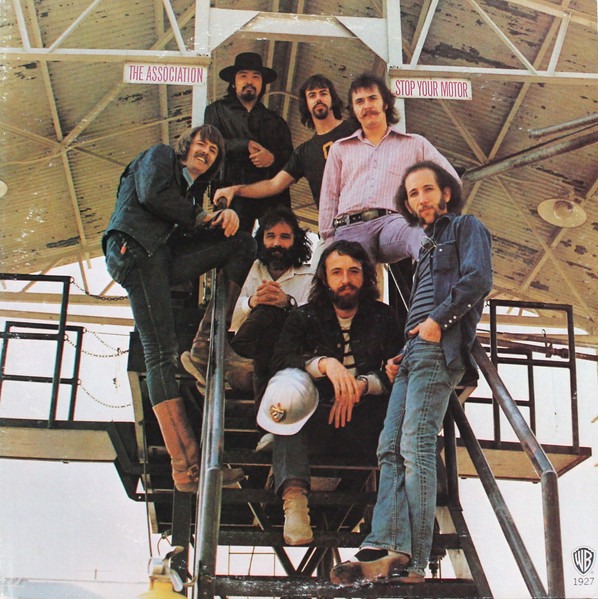
The Association – Stop Your Motor – Vinyl Record
Stop Your Motor is the sixth and final studio album by The Association, released in 1971. Although it was a commercial disappointment upon release, the album has since been reassessed as one of the group’s most mature and musically adventurous works. Moving away from the polished sunshine pop that had made them famous, Stop Your Motor embraces country rock, folk rock, soft rock, and Americana while retaining the group’s hallmark vocal harmonies.
During the second half of the 1960s, The Association had become one of America’s premier vocal groups with hits such as “Cherish,” “Windy,” “Never My Love,” and “Along Comes Mary.” By 1971, however, musical tastes had shifted dramatically. The rise of singer-songwriters and roots-oriented rock encouraged the band to evolve beyond ornate pop production, resulting in their most organic and understated album.
One of the album’s defining features is its more natural, ensemble-oriented sound. Rather than relying on elaborate orchestration, the arrangements emphasize acoustic guitars, electric guitars, piano, pedal steel guitar, organ, bass, and restrained percussion. This rootsier approach aligns the band with contemporaries such as Poco, The Flying Burrito Brothers, and Crosby, Stills, Nash & Young.
The Association’s celebrated vocal harmonies remain the album’s greatest strength. Few groups of the era matched their precision and warmth, and Stop Your Motor demonstrates that those harmonies could be just as effective in a country-rock setting as they had been in lush baroque pop arrangements. The vocals are rich, expressive, and beautifully balanced throughout.
Lyrically, the album reflects a more introspective mood than much of the band’s earlier work. Themes of love, change, personal reflection, freedom, and emotional maturity replace the youthful optimism that characterized many of their mid-1960s hits. The songs feel grounded in adult experience without becoming cynical.
The musicianship is consistently excellent. Acoustic instrumentation provides warmth and intimacy, while tasteful electric guitar work and subtle keyboard textures enrich the arrangements without overwhelming the songs. Every instrumental part is crafted in service of melody and harmony.
The production reflects the changing aesthetics of the early 1970s. Gone are many of the elaborate studio techniques that defined the group’s earlier albums. Instead, Stop Your Motor favors a cleaner, more spacious sound that highlights the band’s vocal blend and organic instrumentation. The result has aged gracefully, sounding less tied to late-1960s production trends.
Although the album failed to reverse the band’s declining commercial fortunes, critics and longtime fans have increasingly recognized its artistic strengths. Rather than attempting to recreate past successes, The Association embraced contemporary musical developments while preserving the qualities that made them distinctive.
Stop Your Motor serves as a fitting conclusion to the group’s original studio career. It illustrates both their willingness to evolve and the enduring excellence of their vocal performances. The album also reflects the broader transformation occurring in American popular music at the dawn of the 1970s, when many artists moved toward more roots-oriented sounds.
One of the album’s enduring appeals is its sincerity. There is little sense of commercial calculation; instead, the band appears genuinely committed to exploring new musical territory. That authenticity gives the record a quiet emotional resonance that becomes more apparent with repeated listening.
With its gorgeous harmonies, tasteful songwriting, and warm country-rock textures, Stop Your Motor is one of the most underrated albums in The Association’s catalog. While it lacks the chart success of their classic 1960s releases, it rewards listeners with mature compositions, refined musicianship, and a graceful embrace of changing musical currents. Thoughtful, melodic, and beautifully performed, it stands as a hidden gem of the early-1970s California rock scene and a worthy final chapter in the original recording career of one of America’s finest vocal groups.
Brand new, never played and still sealed in the factory plastic but top corner promo cut
Track Listing
Bring Yourself Home
Funny Kind Of Song
That’s Racin’
P.F. Sloan
Silver Morning
It’s Gotta Be Real
The First Sound
Along The Way
Traveler’s Guide (Spanish Flyer)
Seven Virgins