Description
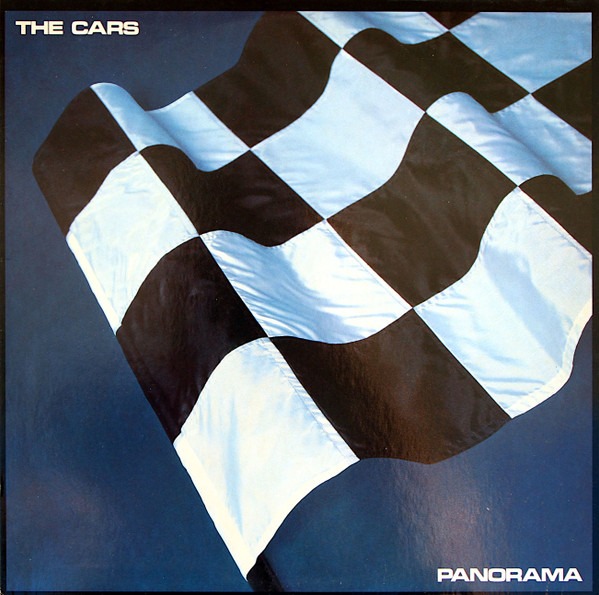
The Cars – Panorama – Blue Vinyl Record
The Cars’ Panorama, released on August 15, 1980, is one of the band’s most underrated and experimental efforts, a moody, angular, and sometimes brooding departure from the sleek pop-rock of their previous two albums. Coming off the massive success of their 1978 self-titled debut and 1979’s Candy-O, Panorama found the Boston band eschewing radio-friendly gloss in favor of darker textures, minimalist aesthetics, and a more avant-garde take on new wave and post-punk.
Ric Ocasek, the band’s enigmatic frontman and primary songwriter, steered the group into more austere emotional and sonic territory. While still unmistakably “The Cars”—with their tight grooves, mechanical rhythms, and icy synths—Panorama feels tense and restrained, almost as if the band were intentionally pulling back from pop accessibility to explore deeper creative currents.
The album opens with the title track, “Panorama,” a jittery, mechanical piece that sets the tone for what’s to come. It’s robotic yet urgent, with layered synths, jagged guitars, and Ocasek’s detached vocal delivery creating a sense of unease and anticipation. This energy carries through to tracks like “Gimme Some Slack” and “Don’t Tell Me No,” which mix garage-rock vigor with futurist detachment, highlighting The Cars’ unique ability to balance raw guitar energy with icy electronic polish.
The album’s standout single, “Touch and Go,” is often cited as a highlight of their entire career. Built on an unusual 5/4 time signature in the verses that shifts to 4/4 in the chorus, the song showcases the band’s willingness to challenge pop structures while still delivering an infectious hook. Greg Hawkes’ keyboard textures float above David Robinson’s tight drumming, and Elliot Easton’s guitar solo is a masterclass in precision and tone.
While Panorama doesn’t contain the same kind of hit-packed, radio-conquering songs as The Cars or Candy-O, its moodier tracks—like “Down Boys,” “Running to You,” and “You Wear Those Eyes”—have aged remarkably well. They reflect a band that was restless and not content to coast on commercial success, pushing into darker, art-rock territory that flirted with the cold minimalism of bands like Ultravox or even early Talking Heads.
The production, handled once again by Roy Thomas Baker, is crisp and clinical, but far less flamboyant than on previous albums. The sparseness and sonic restraint suit the band’s chilly aesthetic on this record, giving it a nervy, modernist edge. The result is an album that feels very much of its moment—post-punk and synth-driven—but also ahead of its time in terms of structure, mood, and experimental intent.
Panorama was a commercial success—it went Gold—but was considered a disappointment compared to the band’s first two albums. Critics and fans were initially split: some admired the ambition and shift in tone, while others missed the buoyant, radio-friendly immediacy of tracks like “Let’s Go” or “Just What I Needed.” Over time, however, Panorama has been re-evaluated as a bold, transitional album, one that revealed The Cars’ broader creative range and helped set the stage for the more pop-forward return of Shake It Up in 1981.
Panorama stands as a crucial pivot point in The Cars’ discography. It demonstrates a band willing to take risks at the peak of their fame, pushing the boundaries of what new wave could sound like. It may not have the big hits, but it has atmosphere, vision, and a sophisticated tension that makes it endlessly intriguing.
Brand new, never played and still in the factory plastic sealed
Track Listing
Panorama
Touch And Go
Gimme Some Slack
Don’t Tell Me No
Getting Through
Misfit Kid
Down Boys
You Wear Those Eyes
Running To You
Up And Down