Description
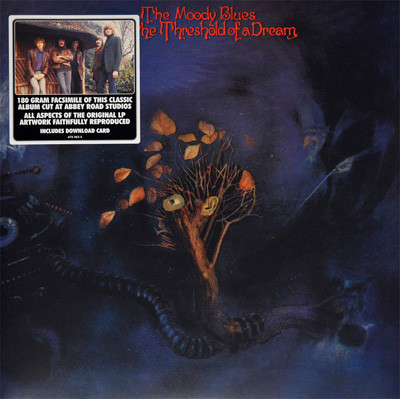
The Moody Blues – On The Threshold Of A Dream – 180 Gram Vinyl Record
The Moody Blues’ On the Threshold of a Dream (1969) is the band’s fourth studio album and a key release in their transition from R&B and pop to the progressive rock sound that would define much of their career. Following the success of their 1967 concept album Days of Future Passed, On the Threshold of a Dream is another highly ambitious record, blending lush orchestration, complex songwriting, and philosophical lyrics. The album explores themes of dreams, consciousness, and the intersection of technology and humanity, marking it as a quintessential example of the progressive rock genre of the late 1960s.
On the Threshold of a Dream is firmly rooted in progressive rock, with expansive compositions that incorporate elements of classical music, psychedelia, and rock. The album features lush arrangements, intricate time signatures, and layered instrumentation, including prominent use of the Mellotron, which adds symphonic textures to the songs.
Like many prog rock albums of the time, On the Threshold of a Dream is conceptually driven. The lyrics explore philosophical and introspective themes, including the nature of dreams, reality, and the relationship between humanity and technology. The album’s narrative arc loosely follows a journey through the mind, culminating in the final track’s contemplation of waking from a dream. Despite the complexity of the arrangements, The Moody Blues maintain a strong sense of melody throughout the album. Harmonized vocals, gentle guitar work, and lush keyboards create an ethereal, dreamlike sound that balances the ambitious musical structures.
Key Tracks
“Lovely to See You”: The album’s opening track is an upbeat, melodic piece that introduces the listener to the album’s softer, more accessible side. It features a strong guitar riff, catchy melodies, and rich vocal harmonies, setting the tone for the dreamlike journey ahead.
“Never Comes the Day”: This track features a more folk-influenced sound, with acoustic guitar at the forefront and emotional, reflective lyrics. It showcases the band’s ability to craft tender, introspective songs alongside their more expansive compositions.
“The Dream”: This brief, spoken-word interlude, narrated by drummer Graeme Edge, serves as a transition between the more straightforward rock songs and the album’s grander, more philosophical themes. The monologue reflects on the mind’s inner workings, connecting the dream-like concept that runs throughout the album.
“Have You Heard” (Parts 1 and 2) / “The Voyage”: The closing tracks form a suite that is a high point of the album’s conceptual ambition. “Have You Heard” serves as a melodic bookend, while “The Voyage” is an instrumental piece that features complex orchestration, synthesizers, and shifting dynamics, taking the listener on a journey through different musical landscapes. The suite culminates in a return to “Have You Heard (Part 2),” bringing the album full circle.
The central theme of On the Threshold of a Dream revolves around the exploration of dreams, the subconscious, and the nature of reality. Tracks like “The Dream” and “Have You Heard” contemplate the act of dreaming and what it reveals about the mind, blurring the lines between waking and sleeping states. In songs like “The Voyage,” there are subtle nods to the growing tension between technology and humanity, a theme that would recur in the work of other progressive rock bands. The album reflects on how technology is changing the human experience, while also touching on the desire for emotional and spiritual fulfillment in an increasingly mechanized world.
Throughout the album, there is a sense of searching for meaning, both within oneself and in the broader world. Songs like “Never Comes the Day” and “Have You Heard” express a longing for clarity and understanding, often framing these ideas within the dream metaphor.
The Mellotron plays a central role in the album’s sound, providing the sweeping, orchestral backdrop that characterizes much of the music. This, combined with Mike Pinder’s keyboard work, gives the album a symphonic, almost cinematic feel. One of The Moody Blues’ trademarks is their rich vocal harmonies, which are particularly effective on tracks like “Lovely to See You” and “Never Comes the Day.” The interplay between the different members’ voices adds emotional depth to the songs.
Justin Hayward’s guitar work, both electric and acoustic, is prominent throughout the album, especially in the more folk-influenced tracks like “Never Comes the Day.” His fluid guitar lines are often complemented by lush keyboard arrangements, creating a balanced blend of rock and orchestral elements. Tracks like “The Voyage” highlight the band’s willingness to experiment with different textures and structures. The song features extended instrumental passages with shifting dynamics, unusual time signatures, and experimental sound effects that contribute to the album’s dreamlike atmosphere.
On the Threshold of a Dream helped solidify The Moody Blues as pioneers of the progressive rock genre. Its conceptual nature, combined with its lush orchestration and philosophical lyrics, set a standard for future prog rock albums. Bands like Yes, Genesis, and King Crimson would later expand on similar themes and structures. The album was both a critical and commercial success, reaching #1 on the UK Albums Chart and marking the band’s growing popularity in the US, where it climbed to #20 on the Billboard 200. This success laid the groundwork for The Moody Blues to become one of the defining bands of the progressive rock movement in the late 1960s and early 1970s.
The fusion of rock with orchestral and symphonic elements on this album influenced the development of symphonic rock, a subgenre of progressive rock that emphasizes classical influences. The Moody Blues’ use of the Mellotron and complex arrangements was groundbreaking at the time, inspiring many other artists to incorporate similar elements into their music.
On the Threshold of a Dream by The Moody Blues is a quintessential progressive rock album that blends lush orchestration, philosophical lyricism, and experimental soundscapes to create an immersive, dreamlike experience. The album’s exploration of dreams, consciousness, and existential themes, combined with its intricate arrangements and rich harmonies, helped establish The Moody Blues as pioneers of the prog rock movement. Its influence on both symphonic and progressive rock is still felt today, making it a landmark release in the evolution of rock music.
Housed in a gatefold cover.
Contains a 12-paged booklet with lyrics and credits.
180 gram facsimile of this classic album cut at Abbey Road Studios All aspects of the original LP artwork faithfully reproduced
Brand new, never played and still in the factory plastic
Track Listing
In The Beginning
Lovely To See You
Dear Diary
Send Me No Wine
To Share Our Love
So Deep Within You
Never Comes The Day
Lazy Day
Are You Sitting Comfortably
The Dream
Have You Heard? (i)
The Voyage
Have You Heard? (ii)