Description
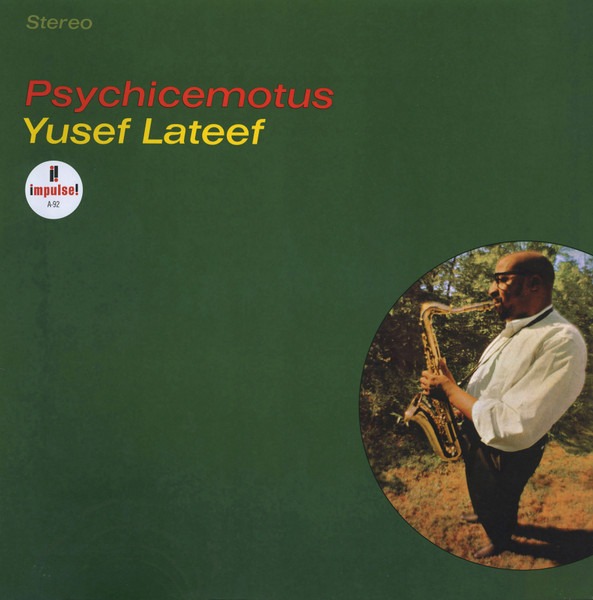
Yusef Lateef – Psychicemotus – 180 Gram Vinyl Record
Psychicemotus is a groundbreaking and adventurous jazz album by Yusef Lateef, originally released in 1965. Widely regarded as one of the most innovative recordings in Lateef’s extensive catalog, the album reflects his lifelong commitment to expanding the boundaries of jazz through the incorporation of global musical traditions, unconventional instruments, and new approaches to composition and improvisation. Blending elements of post-bop, modal jazz, world music, avant-garde experimentation, and spiritual exploration, Psychicemotus stands as a landmark achievement in the evolution of modern jazz and a testament to Lateef’s visionary artistic philosophy.
The album’s unusual title reflects Lateef’s fascination with the relationship between music, consciousness, and human expression. Throughout his career, he sought to create music that engaged not only the intellect and emotions but also deeper levels of perception and awareness. Psychicemotus embodies this goal by presenting a collection of compositions that encourage listeners to experience sound in new and unexpected ways. Rather than conforming to conventional jazz structures, the music often emphasizes mood, texture, and atmosphere, creating an immersive listening experience that feels exploratory and deeply personal.
By the mid-1960s, Yusef Lateef had already established himself as one of jazz’s most original voices. A master of the tenor saxophone and flute, he was equally known for introducing a variety of non-Western instruments into jazz performance. His curiosity about global musical traditions led him to explore sounds and concepts drawn from Africa, Asia, and the Middle East, long before the term “world music” became widely used. On Psychicemotus, these influences are integrated into a highly individual musical language that remains both innovative and accessible.
One of the album’s defining features is Lateef’s use of unusual instruments and timbres. In addition to traditional jazz instrumentation, the recording incorporates sounds rarely heard in jazz at the time, contributing to its distinctive sonic identity. These unconventional textures expand the expressive possibilities of the music and reinforce the album’s themes of exploration and discovery. Rather than serving as novelty elements, the instruments are fully integrated into the compositions, helping to create a unique and cohesive artistic vision.
Musically, Psychicemotus moves fluidly between structured composition and improvisational freedom. The album features richly layered arrangements, modal frameworks, and rhythmic patterns that draw from a variety of cultural influences. While the music is intellectually ambitious, it remains emotionally engaging, balancing experimentation with strong melodies and expressive performances. Lateef’s compositions often unfold gradually, inviting listeners to immerse themselves in the evolving soundscapes and subtle interactions between the musicians.
As an instrumentalist, Lateef delivers performances that demonstrate both technical mastery and profound musical sensitivity. Whether playing saxophone, flute, or one of the album’s more unusual instruments, he approaches every performance with creativity and purpose. His improvisations are thoughtful and lyrical, emphasizing mood and storytelling rather than mere virtuosity. This focus on expression over display is one of the qualities that has made his work so enduring and influential.
The supporting ensemble plays a crucial role in bringing Lateef’s vision to life. The musicians navigate the album’s complex structures and diverse influences with remarkable skill and responsiveness, creating performances that feel cohesive despite their adventurous nature. Their collective creativity contributes significantly to the album’s rich textures and dynamic range, resulting in a recording that rewards close listening and repeated exploration.
A major strength of Psychicemotus is its ability to transcend traditional genre boundaries. While firmly rooted in jazz, the album incorporates elements from numerous musical traditions without losing its identity. This openness to diverse influences reflects Lateef’s broader philosophy of cultural exchange and artistic exploration. His belief that music could serve as a bridge between different cultures and ways of thinking is evident throughout the recording and remains one of the most inspiring aspects of his legacy.
Historically, the album occupies an important place in the development of experimental and world-influenced jazz. At a time when many musicians were beginning to challenge established conventions, Lateef stood at the forefront of efforts to broaden jazz’s vocabulary and expand its expressive possibilities. Psychicemotus helped pave the way for future generations of artists interested in cross-cultural collaboration, spiritual themes, and innovative approaches to improvisation and composition.
Critics and jazz historians have praised the album for its originality, ambition, and enduring relevance. Although it may be less widely known than some of Lateef’s other recordings, it is often cited as one of his most adventurous and forward-thinking works. Its influence can be heard in a wide range of contemporary jazz, world music, and experimental recordings that continue to explore the possibilities first suggested by artists like Lateef.
With its inventive compositions, distinctive instrumentation, and visionary artistic approach, Psychicemotus remains one of the most compelling recordings in Yusef Lateef’s remarkable career. The album invites listeners to explore new musical landscapes while reflecting on the deeper connections between sound, culture, and human experience. Rich in imagination, spirituality, and creative freedom, Psychicemotus stands as a timeless example of jazz’s limitless capacity for innovation and discovery.
Brand new, never played and still sealed in the factory plastic
Track Listing
Psychicemotus
Bamboo Flute Blues
Semiocto
Why Do I Love You?
First Gymnopedie
Medula Sonata
I’ll Always Be In Love With You
Ain’t Misbehavin’