Description
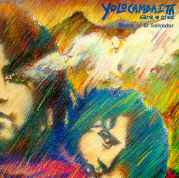
Yolocamba I Ta: Cara o Cruz (Heads or Tails) – Music of El Salvador – Vinyl Record
Yolocamba I Ta is a renowned music group from El Salvador, known for their contributions to the Latin American nueva canción (new song) movement. This genre emerged in the 1960s and 1970s, blending folk music with political lyrics to advocate for social justice and political change. ‘Cara o Cruz’ (Heads or Tails) is one of their notable works, reflecting the turbulent socio-political landscape of El Salvador, especially during the Salvadoran Civil War (1980-1992).
El Salvador in the late 20th century was marked by intense social and political upheaval. The country experienced severe economic inequality, political repression, and a brutal civil war. Yolocamba I Ta emerged as a voice of resistance and hope, using their music to address these issues and support the struggles of the Salvadoran people.
Yolocamba I Ta’s music features traditional Latin American instruments such as the charango (a small Andean stringed instrument), quena (Andean flute), and various percussion instruments like bongos and maracas. ‘Cara o Cruz’ integrates these traditional sounds with modern instruments like the guitar and bass, creating a rich, layered musical texture.
The vocals in Cara o Cruz are powerful and emotive, often delivered in harmonies that emphasize the collective spirit of the band’s message. The lyrics are sung in Spanish and are characterized by their poetic nature, often using metaphors and imagery to convey deeper meanings.
The rhythm of Cara o Cruz is dynamic, often shifting to reflect the changing moods of the lyrics. This might include the use of traditional Latin rhythms like cumbia, salsa, or bolero. Melodically, the song features memorable hooks and refrains that resonate with listeners, making it both accessible and impactful.
Cara o Cruz can be interpreted as a metaphor for the unpredictability of life and the binary nature of choices and fate. The title, which translates to ‘Heads or Tails,’ suggests a theme of chance and the uncertainty of outcomes. The song’s lyrics address themes of struggle, resilience, and hope, common in Yolocamba I Ta’s work. They often highlight the plight of the oppressed, the fight for justice, and the dream of a better future. Grounding the song in the Salvadoran experience.
Yolocamba I Ta’s music, including Cara o Cruz, plays a crucial role in preserving and promoting Salvadoran culture and history. It serves as a form of resistance against cultural erasure and political oppression. The band’s work contributes to the broader nueva canción movement, which unites Latin American musicians in a common cause of social justice and cultural pride.
Yolocamba I Ta has influenced numerous artists within El Salvador and across Latin America, inspiring them to use music as a tool for social change. Their songs, including ‘Cara o Cruz,’ continue to be relevant, resonating with new generations facing similar struggles for justice and equality.
Over the years, Yolocamba I Ta has received various accolades for their contributions to music and social activism. Their work is celebrated not only for its artistic merit but also for its powerful message and impact on society.
Cara o Cruz by Yolocamba I Ta is more than just a song; it is a powerful piece of cultural and political expression. Through their music, Yolocamba I Ta captures the spirit of resilience and hope amidst adversity, making Cara o Cruz a significant work in the history of Salvadoran and Latin American music. Their legacy continues to inspire and influence, demonstrating the enduring power of music as a force for social change.
Brand new, never played and still sealed in the factory plastic seal with promo punch in jacket
Flying Fish Records 1988 FF503
Yolocamba I Ta are a six-member band. Cara o Cruz (Heads or Tails) – Music of El Salvador was recorded in Mexico City, Mexico in 1988.
Track Listing
1 Mestizajes (Crossbreedings)
2 Podria Ser (It Could Be)
3 A Siqueiros Al Patir (To Siqueiros on Leaving)
4 Popurri (Potpourri) a. El Silencio; b. La Yequita (The Little Mare); c. El Torito Pinto (The Little Spotted Bull)
5 Homenaje Nacional (National Homage)
6 Cara o Cruz (Heads or Tails)