Description
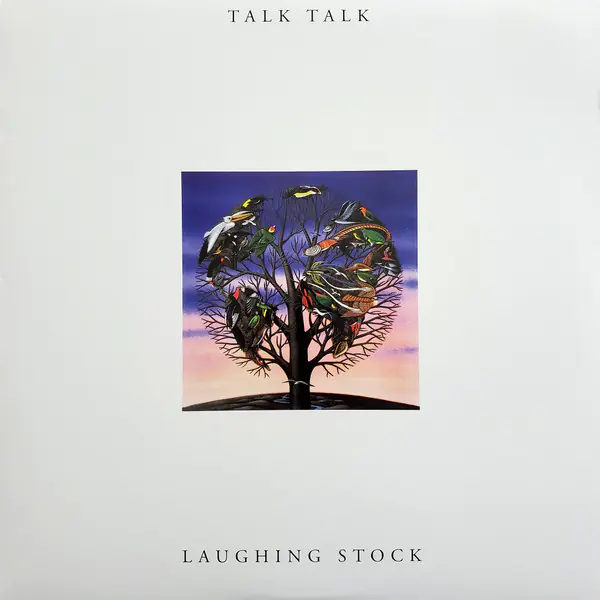
Talk Talk – Laughing Stock – Vinyl Record
Laughing Stock by Talk Talk, released in 1991, is widely regarded as one of the most influential and unconventional albums of the late 20th century. Although Talk Talk originally emerged in the early 1980s as part of the synth-pop and new wave movement, by the time Laughing Stock was recorded the band had completely reinvented its artistic direction. What began as a pop-oriented project had gradually evolved into something far more experimental, atmospheric, and difficult to categorize. In many ways, Laughing Stock represents the final step in that transformation.
The band’s earlier success came from albums like The Colour of Spring (1986) and especially Spirit of Eden (1988), where frontman Mark Hollis began shifting away from conventional pop songwriting. On Spirit of Eden, the group introduced long, atmospheric compositions built around improvisation, jazz influences, and sparse arrangements. Laughing Stock continues that direction but pushes it even further. Rather than relying on typical verse-chorus structures, the album unfolds through slowly evolving musical textures that feel closer to modern classical music or ambient jazz than traditional rock.
By the time Laughing Stock was recorded, Talk Talk had effectively become a studio project centered on Mark Hollis and producer Tim Friese-Greene, with various session musicians contributing improvisational parts. The recording process itself was famously meticulous and unconventional. Musicians would often record long improvisations in near darkness, and the final compositions were assembled from carefully selected fragments of those performances. This technique gave the music an organic, almost fragile quality, where silence and space became just as important as the notes being played.
The album opens with Myrrhman, a track that immediately signals the record’s meditative tone. Sparse guitar, soft percussion, and minimal vocals create an atmosphere that feels almost spiritual. Rather than building toward a traditional climax, the song gradually expands and contracts, emphasizing mood and subtle emotional shifts. Throughout the album, Hollis’ voice remains restrained and introspective, often blending into the instrumentation instead of dominating it.
Another key track is Ascension Day, which introduces bursts of energy into the otherwise quiet landscape of the album. Sudden drums and distorted guitar lines erupt from near silence, creating dramatic contrasts that highlight the album’s dynamic range. This technique—alternating between delicate quiet passages and intense bursts of sound—became a defining feature of the album’s sonic identity.
Perhaps the most powerful moment on the record is After the Flood, which builds slowly from a quiet organ and bass foundation into one of the album’s most emotionally intense sections. The song captures the sense of tension and release that runs throughout the album, with layers of instruments gradually forming a dense yet controlled arrangement. The music feels almost cinematic, as though each instrument is entering a carefully orchestrated scene rather than simply accompanying a song.
When Laughing Stock was first released, it puzzled many listeners and critics who expected something closer to Talk Talk’s earlier pop success. The album contains only six tracks, many of them long and structurally unconventional, and its restrained atmosphere stands in stark contrast to the bright synth-driven sound that had originally brought the band mainstream attention. However, over time the album gained enormous critical respect, and it is now often cited as one of the foundational works of what later became known as post-rock.
Although the term “post-rock” was not widely used when Laughing Stock appeared, many later artists drew inspiration from its approach to structure and atmosphere. Bands like Sigur Rós, Godspeed You! Black Emperor, and Bark Psychosis adopted similar ideas—long instrumental passages, gradual crescendos, and a focus on texture rather than traditional song forms. In retrospect, both Spirit of Eden and Laughing Stock are frequently described as early blueprints for the genre.
The album also marked the end of Talk Talk’s recording career. Shortly after its release, Mark Hollis chose to step away from the music industry, preferring a quieter life away from the pressures of fame. While Hollis would later release one more extremely minimalist solo album, Talk Talk itself never recorded another record after Laughing Stock. As a result, the album has taken on an almost mythic status among music fans and critics.
Today, Laughing Stock is often celebrated not only for its influence but also for its artistic courage. At a time when many bands might have tried to repeat their commercial formula, Talk Talk instead pursued a deeply introspective and experimental path. The album’s quiet intensity, patience, and emotional depth continue to resonate with listeners who appreciate music that rewards careful, attentive listening. In that sense, Laughing Stock stands as both the culmination of Talk Talk’s creative evolution and one of the most quietly revolutionary albums ever made.
Brand new, never played and still sealed in the factory plastic
Track Listing
Myrrhman
Ascension Day
After The Flood
Taphead
New Grass
Runeii