Description
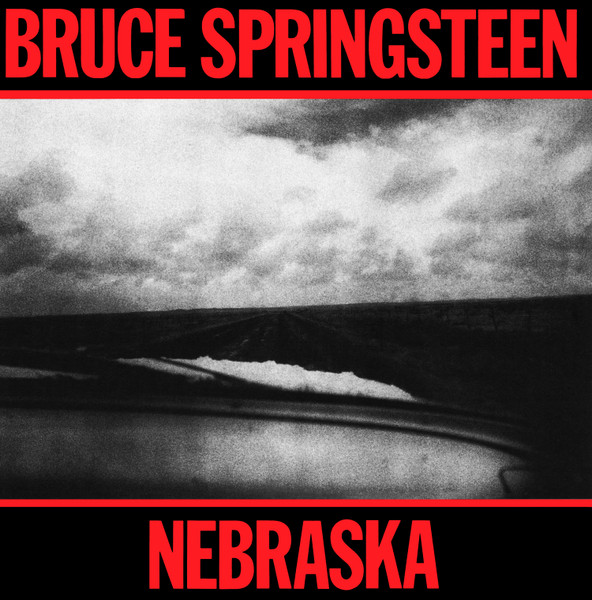
Bruce Springsteen – Nebraska – RSD 180 Gram Vinyl Record
Originally released for Record Store Day in 2015.
“Remastered from the original source tapes; faithful recreation of original LP packaging; 180-gram audiophile vinyl”
Bruce Springsteen – Nebraska, released on September 30, 1982, is one of the most haunting, intimate, and starkly powerful albums in American popular music. Stripped of the anthemic E Street Band arrangements and blue-collar bombast that had defined Springsteen’s earlier work, Nebraska is a solo, lo-fi masterpiece recorded on a 4-track cassette recorder in his home—an unflinching portrait of American loneliness, moral ambiguity, and spiritual desolation.
Originally intended as demos for a full-band album, the raw recordings were ultimately released as-is after Springsteen and his producer Jon Landau concluded that the E Street versions couldn’t capture the emotional immediacy of the originals. What emerged is a collection of acoustic folk songs and ghostly ballads, delivered with a stark realism that connects it more to Dust Bowl-era folk or Southern Gothic storytelling than to the rock ‘n’ roll of Born to Run or Darkness on the Edge of Town.
The title track, “Nebraska,” sets the tone: based on the story of real-life serial killer Charles Starkweather, the song is a chilling meditation on senseless violence, alienation, and moral emptiness, sung in an eerily calm voice over a fingerpicked acoustic guitar. The album continues this descent into America’s underbelly with songs like:
“Atlantic City” – a tale of desperation, love, and quiet criminality in a decaying resort town, wrapped in a refrain that has become one of Springsteen’s most quoted: “Everything dies, baby, that’s a fact / But maybe everything that dies someday comes back.”
“Johnny 99” and “State Trooper” – minimalist, menacing songs that blend rockabilly riffs with the looming dread of economic collapse and personal ruin.
“Highway Patrolman” – a morally complex narrative about family loyalty and justice, where a police officer lets his fugitive brother flee, reflecting Springsteen’s fascination with moral ambiguity and flawed redemption.
Throughout Nebraska, Springsteen sings in a hushed, weary voice, inhabiting the lives of drifters, killers, factory workers, gamblers, and loners. His characters are not heroes, but rather people caught in quiet despair or quietly resisting a system that offers no way out. There are no sax solos, no rousing choruses—just tape hiss, acoustic guitar, occasional harmonica, and Springsteen’s bruised voice, like he’s telling stories around a dying campfire in some forgotten corner of America.
While it wasn’t a blockbuster in terms of commercial success compared to Springsteen’s other albums, Nebraska has since become a critical and cult favorite, hailed as a brave, artistically uncompromising work. It influenced everyone from Johnny Cash (who covered “Highway Patrolman”) to indie folk artists and lo-fi musicians seeking to capture raw emotion over technical perfection. Its emotional honesty, sparse production, and thematic focus on the American underclass have earned it comparisons to Woody Guthrie, Bob Dylan, and Flannery O’Connor.
Nebraska is the soul of Springsteen’s catalog, the dark underside of the American Dream that his more radio-friendly hits often romanticized. It’s the album that asked questions instead of offering answers, and it marked a pivotal turn in Springsteen’s career: a recognition that his role as an artist wasn’t just to entertain, but to bear witness.
Whether you see it as folk noir, singer-songwriter minimalism, or lo-fi Americana, Nebraska remains a landmark album, as relevant and chilling today as it was in 1982. It reminds us that sometimes, the loudest truths are spoken in whispers.
Track Listing
Nebraska
Atlantic City
Mansion On The Hill
Johnny 99
Highway Patrolman
State Trooper
Used Cars
Open All Night
My Father’s House
Reason to Believe