Description
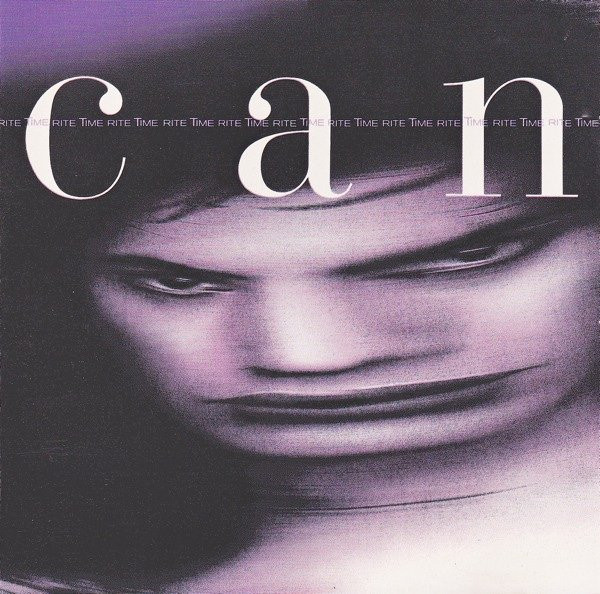
Can – Rite Time – 180 Gram Vinyl Record
Can – Rite Time, released in 1989, is the final studio album by the legendary German experimental rock band Can, and notably marked the return of original vocalist Malcolm Mooney, more than 20 years after he left following the band’s debut album, Monster Movie (1969). This reunion album, coming after a decade-long hiatus, is both a curiosity and a capstone—not quite a return to form, but an intriguing glimpse at what Can sounded like when filtered through late-’80s production and a more mature, reflective mindset.
While Rite Time is technically Can’s 11th studio album, it stands apart from the rest of their discography as something of a postscript—a reunion record that seeks to reconnect with the band’s early roots rather than continue the sonic innovations of their 1970s heyday. Recorded in 1986 but shelved for several years, the album wasn’t released until 1989 on Mercury Records.
Mooney’s return is the centerpiece of Rite Time. His presence brings a raw, unpredictable energy that contrasts sharply with the cool detachment of later-era vocalist Damo Suzuki. Mooney delivers his vocals in a conversational, sometimes manic spoken-word style, veering between beat-poetry rambles, soulful wails, and surreal storytelling. His lyrics, often semi-improvised, have the chaotic charm of outsider art, offering bursts of humor, paranoia, and fractured philosophy.
Songs like “Give the Drummer Some” and “Hoolah Hoolah” showcase this vividly—Mooney rides the groove with odd, chant-like phrasing, at once commanding and cryptic. It’s this off-kilter vocal approach that injects life into the album, even when the music feels unusually restrained for Can.
Rite Time is more laid-back and linear than the hypnotic, avant-garde explorations of albums like Tago Mago or Ege Bamyasi. The band—featuring the classic lineup of Jaki Liebezeit (drums), Holger Czukay (bass/samples), Michael Karoli (guitar), and Irmin Schmidt (keys)—opts for tight, groove-based arrangements with touches of funk, ambient textures, and minimalist layering.
Tracks like “On the Beautiful Side of a Romance” and “The Withoutlaw Man” show the band in a more reflective, almost contemplative mode, leaning into slower tempos and cleaner production. Liebezeit’s drumming remains a highlight, still precise and hypnotic, while Czukay incorporates samples and shortwave radio textures in subtler ways than in earlier albums. There’s less improvisational chaos, more structure—and that’s part of what makes Rite Time feel different from the Can of the 1970s.
That said, the record still contains moments of quirkiness and experimentation. The production—clean, digital, and very ‘80s—can feel alien to longtime fans, but it also gives the record a strange charm, sitting somewhere between Krautrock, funk, and surrealist performance art.
Rite Time was met with mixed critical reception. Some hailed it as a welcome return, praising Mooney’s presence and the album’s tighter focus, while others criticized it for lacking the bold, groundbreaking spirit of Can’s classic period. And truthfully, Rite Time does not attempt to recreate the radical experimentation of Tago Mago or Future Days. Instead, it offers a strange, self-contained epilogue—a farewell transmission from a band that once sounded like they were beaming in from another dimension.
The album has gained a kind of cult appreciation, especially among listeners who enjoy Mooney’s idiosyncratic presence. For newcomers, it’s not the place to start with Can—but for seasoned fans, Rite Time is a fascinating listen, full of odd pleasures, rhythmic elegance, and late-style weirdness that only a band like Can could pull off.
Brand new, never played and still sealed in the factory plastic
Track Listing
On The Beautiful Side Of A Romance
The Withoutlaw Man
Below This Level (Patient’s Song)
Movin’ Right Along
Like A New Child
Hoolah Hoolah
Give The Drummer Some
In The Distance Lies The Future