
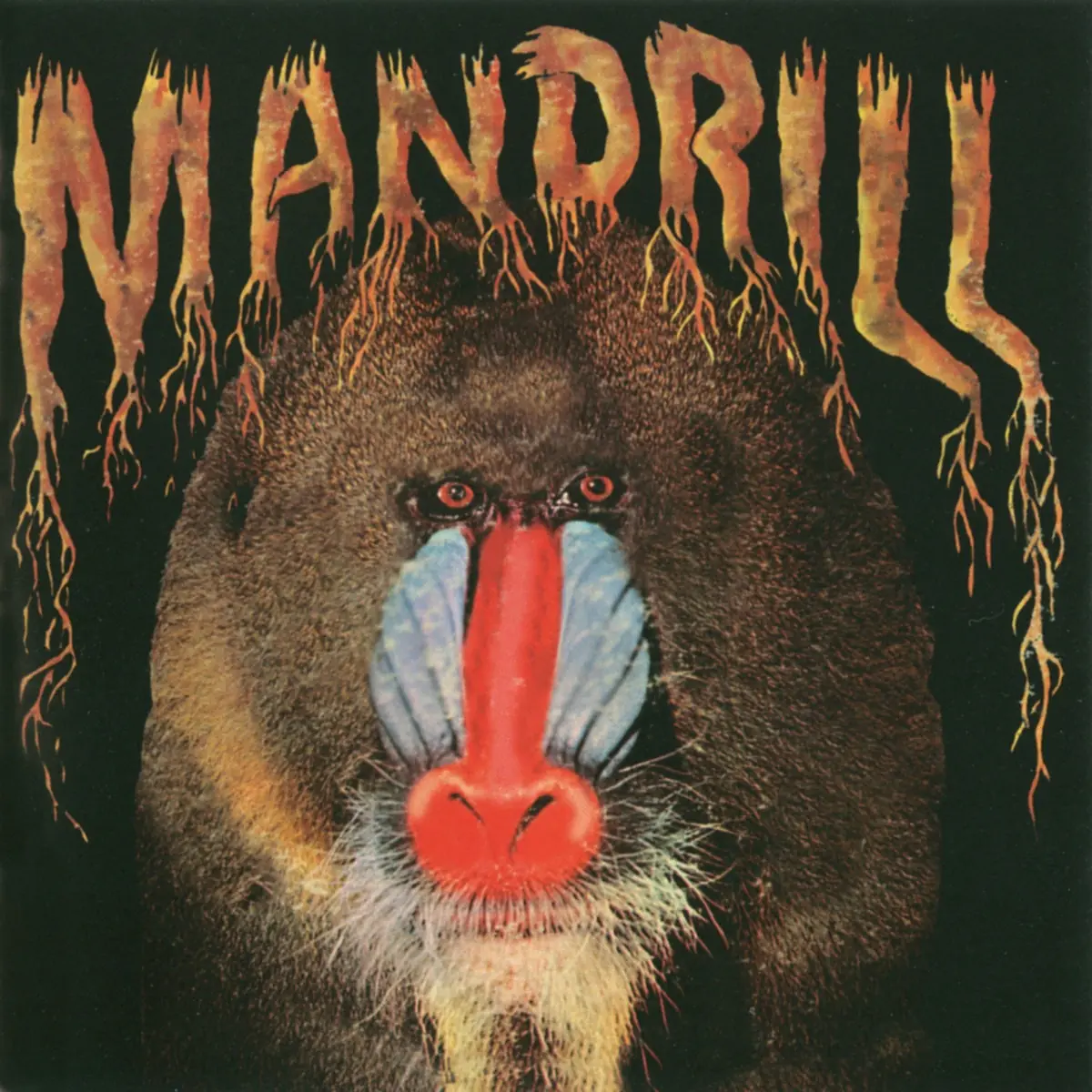
Description
Mandrill – Mandrill – Vinyl Record
Mandrill’s debut is the sound of a New York band treating funk as a meeting place rather than a narrow formula. Formed around the Wilson brothers—Carlos, Louis, and Ricardo—the group drew on Afro-Caribbean rhythm, soul singing, jazz improvisation, Latin percussion, blues, and rock guitar. Recorded at Electric Lady Studios and released in 1971, Mandrill moves with the confidence of musicians who see no reason to separate those languages. Horns and voices can be tight and declarative in one section, then give way to flute, percussion, or an extended groove in the next.
The title track is a compact introduction, built on a thick rhythmic figure and the band’s ensemble attack. “Warning Blues” reaches toward older blues forms but colors them with Mandrill’s percussion and horn sense. “Symphonic Revolution” announces the group’s larger ambition in its name: this is danceable music that is also arranged in movements, with textures entering and receding as if the band were scoring a scene. “Rollin’ On” stretches beyond seven minutes and lets the groove breathe, demonstrating how comfortable Mandrill could be when a song moved from concise writing into open performance.
The album’s centerpiece is the five-part “Peace and Love (Amani Na Mapenzi)” suite. Its Swahili subtitle points toward the Wilson brothers’ interest in African identity and diasporic connection, while the sequence itself passes through distinct stages—“Birth,” “Now,” “Time,” “Encounter,” and “Beginning.” The music changes accordingly, shifting from atmosphere to rhythm, from ensemble statements to more spacious instrumental passages. Rather than using “peace and love” as a slogan, the band builds a small musical journey around it, giving the phrase cultural and emotional dimension.
“Chutney” closes the record with another turn, emphasizing the Caribbean current that runs through Mandrill’s sound. The personnel help explain the range: the Wilson brothers move among horns, percussion, guitar, and vocals, joined by Claude “Coffee” Cave on keyboards and vibraphone, Bundy Cenac on bass, Omar Mesa on guitar, and Charles Padro on drums. The ability to change instruments and rhythmic roles gives the arrangements an unusually collective character. No single soloist defines the album; its personality comes from how the pieces interlock.
Mandrill would go on to make more streamlined and commercially successful records, but the debut remains a powerful statement of purpose. Its funk is earthy, its jazz instincts are genuine, and its cultural range feels organic because it grows from the musicians’ own backgrounds. The album also became a rich source for later hip-hop producers, though its value extends well beyond samples. Heard front to back, Mandrill is a vivid document of early-1970s New York: ambitious, multilingual in rhythm, and unwilling to choose between the street, the dance floor, and the concert stage.
Brand new, never played and still sealed in the factory plastic




Reviews
There are no reviews yet.