Description
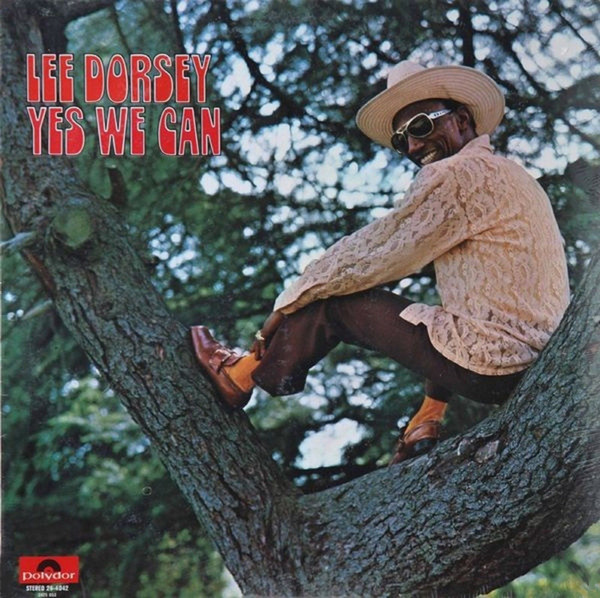
Lee Dorsey – Yes We Can – 180 Gram Vinyl Record
Lee Dorsey – Yes We Can, released in 1970, is a funky, politically charged, and soul-drenched masterpiece that stands as the defining album of Dorsey’s career. Known previously for light-hearted New Orleans R&B hits like “Working in the Coal Mine” and “Ride Your Pony,” this album marked a bold artistic evolution. With Yes We Can, Dorsey stepped into the world of social commentary and funk innovation, powered by the legendary producer and songwriter Allen Toussaint, and backed by the seismic groove machine that would become The Meters.
From the opening bars of the title track “Yes We Can (Part I),” it’s clear that this album is not just about dancing—it’s about resilience, unity, and pushing forward during turbulent times. Released at the dawn of the 1970s, in the shadow of the Civil Rights Movement, the Vietnam War, and ongoing social unrest, the album’s message of cautious optimism and collective strength resonated deeply, particularly among Black audiences looking for both uplift and groove.
The title track alone is a towering achievement: a slinky, syncopated funk anthem that delivers one of soul music’s most enduring calls for solidarity. With its refrain—“Now’s the time for all good men to get together with one another…”—Dorsey embodies a calm but urgent demand for action. The message is potent, but never preachy; Dorsey’s warm, conversational delivery ensures the song remains hopeful and unifying, not divisive.
Throughout the album, Toussaint’s songwriting and arrangements shine. The songs are lean, funky, and smartly structured, often clocking in at under three minutes but packing enough rhythmic and melodic sophistication to make each one memorable. The Meters, in all but name, lay down some of their funkiest work here—Zigaboo Modeliste’s drumming, Leo Nocentelli’s guitar licks, and George Porter Jr.’s bass lines are consistently tight, inventive, and groovy as hell.
Highlights include:
“Who’s Gonna Help Brother Get Further” – a deeply funky, slyly political track about systemic inequality and communal neglect, delivered with Dorsey’s signature mix of warmth and bite.
“Games People Play” – a soulful, funk-laced cover of Joe South’s hit, reimagined through the lens of Toussaint’s horns and gospel-tinged backing vocals.
“Riverboat” and “O Me-O, My-O” – upbeat tracks that blend humor and groove, steeped in New Orleans rhythmic charm.
Unlike some of his earlier work, which leaned toward novelty or radio-friendly pop-soul, Yes We Can is a cohesive, thematically rich album. It’s not a concept album per se, but the recurring themes—social change, empowerment, personal responsibility, and the enduring power of rhythm—tie the songs together beautifully. Dorsey’s voice, never flashy but always expressive, becomes the perfect vessel for these songs: grounded, wise, and gently commanding.
Though Yes We Can wasn’t a massive commercial success at the time, it has since become a highly respected and influential record, especially among funk and soul enthusiasts. The title track was later famously covered by The Pointer Sisters, and the album’s grooves and messages have been sampled and referenced by countless hip-hop and R&B artists. It’s also been recognized as one of Allen Toussaint’s most powerful and enduring productions.
Yes We Can is more than just a funk album—it’s a statement of community, positivity, and perseverance, delivered through some of the tightest grooves to come out of New Orleans. It’s a must-listen for fans of soul, funk, political music, or the New Orleans sound, and it remains one of the most underrated yet essential albums of its era.
Brand new, never played and still sealed in the factory plastic
Track Listing
Yes We Can – Part I
Riverboat
Tears Tears And More Tears
O Me-O, My-O
Sneakin’ Sally Thru The Alley
Yes We Can – Part II
Who’s Gonna’ Help Brother Get Further
Games People Play
When The Bill’s Paid
Occapella
Gator Tail
Would You?