Description
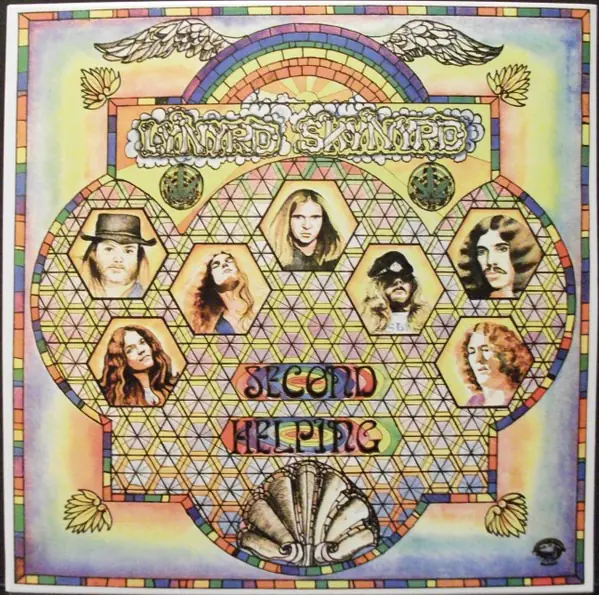
Lynyrd Skynyrd – Second Helping – 180 Gram Vinyl Record
Lynyrd Skynyrd’s Second Helping, released on April 15, 1974, is the Southern rock band’s second studio album and a pivotal moment in their rise to fame. Coming off the success of their 1973 debut (Pronounced ‘Lĕh-‘nérd ‘Skin-‘nérd), which introduced the world to “Free Bird,” the band doubled down on their signature blend of blues, country, and hard rock, while tightening their songwriting and sharpening their identity as the voice of the American South. Second Helping not only solidified their reputation but also produced one of the most enduring rock anthems of the 1970s: “Sweet Home Alabama.”
The album opens with “Sweet Home Alabama,” a track that immediately became a cultural phenomenon. Written as both a celebration of Southern pride and a response to Neil Young’s critical portrayals of the South in songs like “Southern Man” and “Alabama,” it captured the band’s mix of defiance and regional identity. Its driving guitar riff, memorable sing-along chorus, and swaggering delivery made it Lynyrd Skynyrd’s first major hit, reaching the U.S. Top 10 and eventually becoming one of the most recognizable rock songs of all time. Yet beyond its popularity, it set the thematic tone for the record—unapologetically Southern, steeped in pride but also self-aware and playful.
The rest of the album proves that Skynyrd was far more than a one-hit wonder. “Don’t Ask Me No Questions” blends a funky groove with a sharp critique of hangers-on and the pressures of fame, showcasing Ronnie Van Zant’s plainspoken, everyman lyricism. “Workin’ for MCA” is a rollicking jab at the music industry, complete with biting guitars and a tongue-in-cheek energy. Meanwhile, “The Ballad of Curtis Loew” stands as one of Skynyrd’s most poignant moments—a nostalgic story-song about a Black blues musician who inspired the narrator’s love of music. It’s a deeply personal track, highlighting the band’s storytelling strength and grounding their larger-than-life sound in emotional truth.
On the heavier side, “The Needle and the Spoon” confronts the dangers of drug addiction with a raw intensity that foreshadows some of the darker realities of 1970s rock culture. Its gritty riffing and urgent tone contrast with the more laid-back songs, giving the album balance. The record closes with “Call Me the Breeze,” a cover of J.J. Cale’s tune, which the band electrifies with their trademark triple-guitar attack. It’s a joyous, hard-driving number that captures Skynyrd’s live energy and leaves the listener on a high note.
Second Helping is where the band’s three-guitar lineup—Gary Rossington, Allen Collins, and Ed King—really clicked, creating a full, layered sound that became their trademark. Ronnie Van Zant’s vocals, gruff yet heartfelt, delivered the band’s mix of swagger, storytelling, and sincerity with authenticity. The rhythm section—Leon Wilkeson on bass, Billy Powell on keys, and Bob Burns on drums—added groove and texture, rounding out a sound that was both muscular and melodic.
Critically and commercially, the album was a major success. It peaked at #12 on the Billboard 200, eventually going double platinum, and proved that Lynyrd Skynyrd was more than capable of following up their breakout debut. Critics praised its songwriting, musicianship, and unapologetic Southern character, though some bristled at the cultural debates stirred up by “Sweet Home Alabama.” Over time, the album has been recognized as one of the definitive statements of the Southern rock genre.
Second Helping is not just a sophomore triumph—it’s an album that captured Lynyrd Skynyrd at their creative peak, balancing hit singles, social commentary, and heartfelt storytelling. It cemented their role as the foremost ambassadors of Southern rock, a title they carried until tragedy struck in 1977. To this day, the album remains a touchstone of 1970s rock, representing the sound, spirit, and contradictions of the American South in all its complexity.
Brand new, never played and still sealed in the factory plastic
Track Listing
Sweet Home Alabama
I Need You
Don’t Ask Me Questions
Working For MCA
The Ballad Of Curtis Loew
Swamp Music
The Needle And The Spoon
Call Me The Breeze