Description
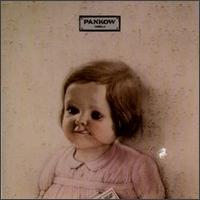
Pankow – Gisela – Vinyl Record
Wax Trax Records 7095
Released in 1989, Gisela is the third studio album by Pankow, an Italian industrial and EBM (electronic body music) band that gained prominence in the underground electronic scene throughout the 1980s. Known for their raw, provocative, and experimental approach, Pankow blended harsh electronic beats, distorted vocals, and mechanical rhythms to create a sound that was both aggressive and danceable.
This album was released on multiple labels across different countries, including Contempo Records (Italy), Wax Trax! Records (USA), Play It Again Sam (Belgium), and Cashbeat (Germany), reflecting their international appeal in the alternative electronic music scene. While Pankow never reached the mainstream success of some of their contemporaries like Front 242 or Nitzer Ebb, they maintained a devoted following within industrial and EBM circles. Gisela serves as one of their most iconic releases, showcasing their ability to balance harsh industrial intensity with twisted humor and sensuality.
Gisela is a perfect example of late ’80s industrial music, combining mechanized percussion, pulsating basslines, and dark, atmospheric synth work. Unlike some EBM acts that focused on pure rhythmic aggression, Pankow incorporated more melodic and experimental elements, allowing for moments of eerie beauty amidst the mechanical chaos.
The production on Gisela is gritty yet danceable, with a distinct European coldness that aligns with the harsh, dystopian aesthetics of early industrial music. The lyrics, often provocative and surreal, explore themes of sex, power, and existential absurdity, reinforcing the album’s unsettling yet hypnotic nature.
One of the standout elements of the album is Alex Spalck’s vocal delivery. Unlike many industrial vocalists who rely solely on distorted shouting, Spalck incorporates a mix of spoken word, deep baritone crooning, and abrasive screams, adding to the album’s theatrical and unsettling vibe. His vocal approach brings a sense of performance art to the music, making Gisela feel more than just an industrial album—it’s an experience.
Track Highlights & Breakdown
“I’m Lost, Little Girl” – The album opens with a slow, eerie synth-driven track, with Spalck delivering spoken-word vocals that feel like a disturbing monologue.
“Warm Leatherette” – A menacing cover of The Normal’s classic song, transforming the minimalistic original into a harsh, grinding industrial anthem.
“Die Beine Von Dolores” – A dark, hypnotic piece with a strong electronic pulse and seductive vocal delivery, leaning into themes of desire and obsession.
“Me and My Ding Dong” – One of the more playful yet unsettling tracks, mixing humor and perversity in a way that only Pankow could pull off.
“Gisela” – The album’s title track is one of its most atmospheric moments, featuring sparse, ominous instrumentation and an almost cinematic sense of tension.
“Sickness Taking Over” – A pounding industrial track that feels mechanized and relentless, reflecting themes of mental and physical decay.
“Kunst und Wahnsinn” – Translated as “Art and Madness,” this song explores the thin line between creative genius and insanity, set to a cold, rigid beat.
“Touch” – A moodier, more experimental track that adds ambient textures and distorted whispers to its electronic core.
“Sickness Takin’ Over (Reprise)” – A shorter variation of the earlier track, reinforcing its themes and tension.
“Texas and Paraguay” – One of the most intriguing titles, offering a cryptic, almost cinematic feel with layered synthscapes.
“Wet” – A sensual yet eerie closer, filled with suggestive undertones and a slow, grinding rhythm that feels hypnotic and unsettling.
The inclusion of “Warm Leatherette” is particularly interesting, as the song—originally by The Normal (aka Daniel Miller, founder of Mute Records)—was one of the first electronic tracks to capture the cold, mechanical eroticism that would become a hallmark of industrial music. Pankow’s version amplifies the song’s themes of violence, machinery, and detached sexuality, making it even more unsettling than the original.
Lyrically, Gisela is both intellectual and confrontational, dealing with themes of sexuality, control, power, and existential dread. Pankow has always been provocative, not just in their music but in their overall artistic philosophy. They blend satirical humor with deeply unsettling imagery, forcing the listener to confront both the absurdity and darkness of modern existence.
The album’s German and English lyrics further enhance its international appeal, reinforcing the band’s European industrial identity. There’s a strong sense of detachment and nihilism, but also a perverse fascination with taboo subjects, much like the work of bands such as Einstürzende Neubauten or DAF.
Though Gisela wasn’t a mainstream commercial success, it remains one of Pankow’s most well-regarded albums, especially within the underground industrial and EBM communities. The album helped solidify their cult status, influencing later industrial and electronic acts who appreciated their willingness to push boundaries both musically and thematically.
Pankow was never just about making danceable EBM beats—they were performance artists as much as musicians. Their music challenged societal norms, censorship, and even the expectations of industrial music itself. Gisela is a perfect example of this rebellious spirit, proving that industrial music could be both aggressive and deeply artistic.
In the years following Gisela, Pankow would continue to experiment, releasing albums that ranged from harsh industrial to more electronic and dance-oriented material. However, many fans still regard Gisela as one of their defining works, capturing a moment in time when industrial music was at its most daring and subversive.
If you’re a fan of dark, provocative, and thought-provoking industrial music, Gisela is a must-listen. It’s an album that defies easy categorization, blending harsh electronics, eerie atmospheres, and unsettling lyricism into something truly unique. Whether you’re drawn to its mechanical intensity, satirical themes, or cinematic soundscapes, Gisela remains a fascinating and essential piece of industrial music history.