
Description
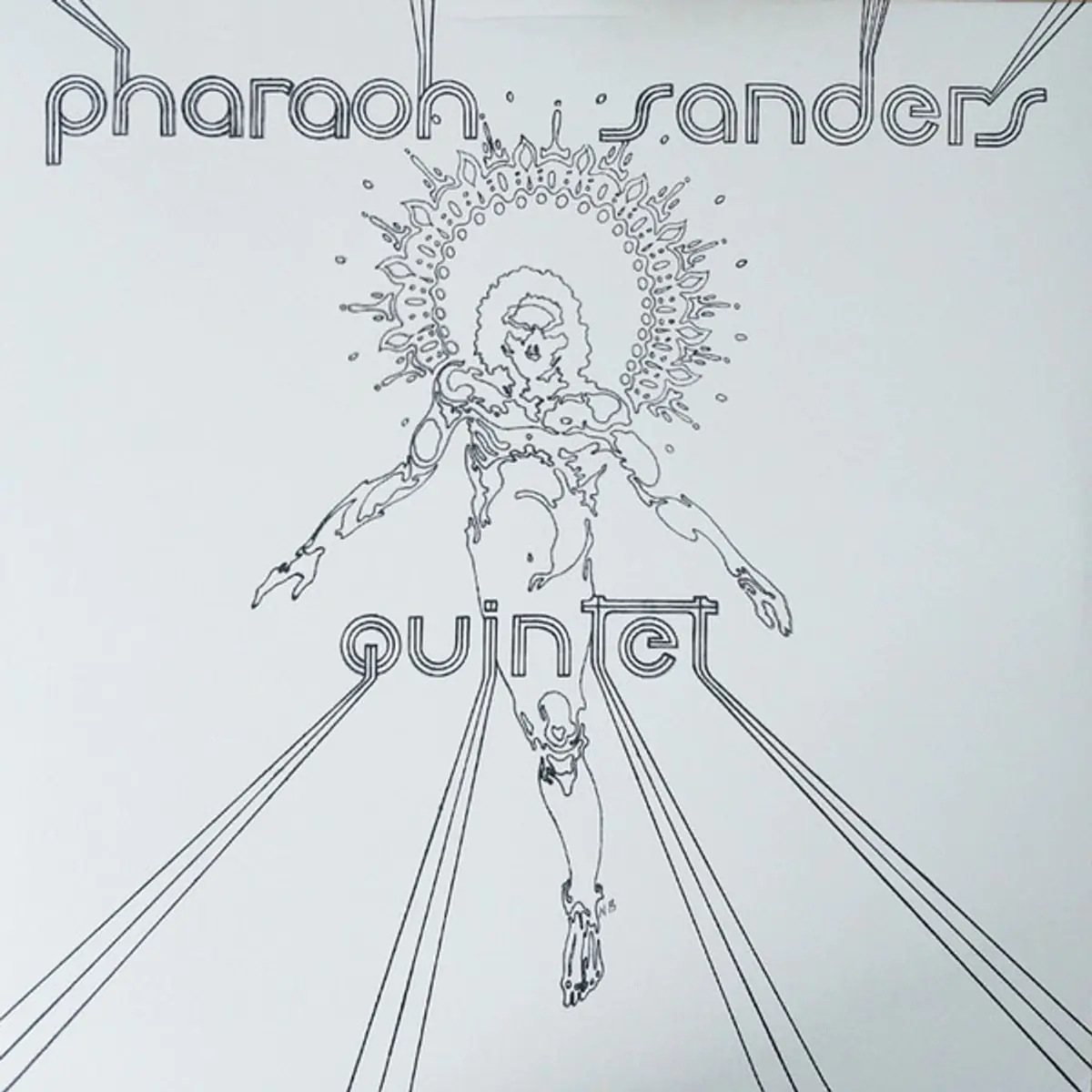
Pharoah Sanders Quintet – Pharoah Sanders Quintet – Vinyl Record
Pharoah Sanders’ first album as a leader documents a young tenor saxophonist on the threshold of a major transformation. Recorded in New York on September 10, 1964 and issued by ESP-Disk’ in 1965, the session predates his best-known work with John Coltrane and the expansive spiritual recordings he would make for Impulse! The music is therefore fascinating not because it already contains every later signature, but because it catches Sanders testing form, endurance, and ensemble freedom in real time. Two side-long pieces give the quintet enough space to move from theme to open exploration without studio compression.
“Seven by Seven” occupies the first side and introduces a band with strong bebop grounding. Sanders is joined by trumpeter Stan Foster, pianist Jane Getz, bassist William Bennett, and drummer Marvin Pattillo. Foster’s trumpet and Sanders’ tenor create a pointed front line, while Getz supplies harmony that can be supportive one moment and deliberately destabilizing the next. Sanders’ tone is forceful but still more connected to conventional post-bop phrasing than the sheets of sound and vocal cries that would soon define his reputation. Hearing that continuity makes the departures more meaningful.
The performance develops patiently across its extended length. Ideas are stated, worried, repeated, and pushed into new registers instead of being arranged as a chain of short solos. Bennett and Pattillo do crucial work in maintaining forward movement when the harmony loosens. The rhythm does not disappear; it becomes negotiable, something the musicians can stretch and reassemble. That approach places the record firmly in the early ESP-Disk’ world, where the label gave emerging avant-garde players unusual freedom to document music that larger companies considered too open or difficult.
“Bethera” fills the second side and provides a complementary journey, again allowing Sanders to build intensity over more than twenty minutes. The title later appeared on editions of the album under several different names, including Pharoah’s First, Pharaoh, and Pharoah Sanders Quintet. Those changes can make the discography confusing, but the core 1964 session remains the same: “Seven by Seven” and “Bethera,” performed by the quintet and recorded at engineer Jerry Newman’s loft. This edition restores the original ESP 1003 identity and the scale of the two-piece vinyl program.
Listeners coming from Karma, Thembi, or Sanders’ work with Coltrane should expect an origin point rather than a fully developed spiritual-jazz statement. That is exactly what makes the album valuable. It shows the saxophonist inside a transitional language, still conversing with bebop and hard bop while searching for a freer method of sustaining sound. The fierce edge is present, but so are lyricism, discipline, and close group listening. As a debut, it offers both historical importance and the immediate pleasure of five musicians discovering how far a performance can travel without losing its opening idea.
Brand new, never played and still sealed in the factory plastic





Reviews
There are no reviews yet.