Description
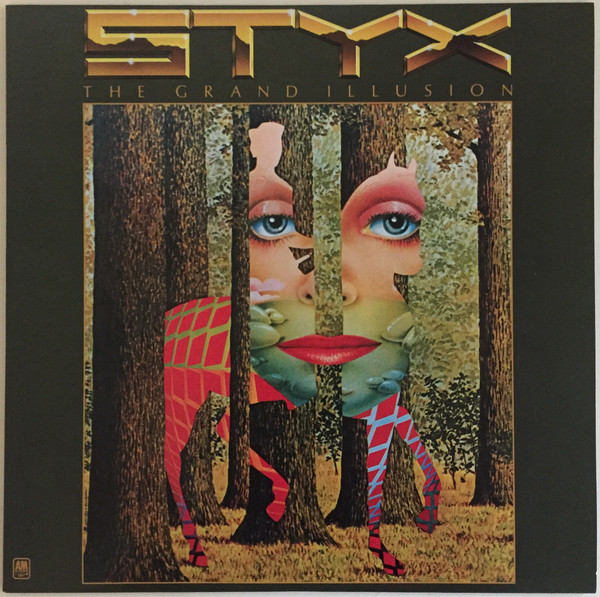
Styx – The Grand Illusion – 180 Gram Vinyl Record
Styx’s The Grand Illusion (1977) is a landmark album that solidified the band’s reputation as one of the most successful and innovative rock acts of the 1970s. Blending elements of progressive rock, arena rock, and hard rock, the album showcases Styx’s signature mix of complex arrangements, theatrical lyrics, and radio-friendly hooks. The Grand Illusion is considered one of the band’s defining works, featuring some of their most enduring songs, including “Come Sail Away” and “Fooling Yourself (The Angry Young Man)”.
The album was a commercial breakthrough, reaching #6 on the Billboard 200 and eventually going triple platinum. It marked the beginning of Styx’s rise to arena rock stardom, combining the band’s ambition to create conceptual, thematically rich music with an accessible, polished sound that appealed to a wide audience.
Styx incorporated elements of progressive rock into The Grand Illusion, including complex song structures, extended instrumental passages, and thematic cohesion. Songs like “The Grand Illusion” and “Castle Walls” feature dynamic shifts, layered keyboards, and intricate guitar work, evoking comparisons to prog rock giants like Yes and Genesis.
The album also embraces the anthemic, big-sounding qualities of arena rock. Tracks like “Come Sail Away” and “Fooling Yourself (The Angry Young Man)” are designed for large venues, with soaring choruses, sing-along melodies, and grand, sweeping arrangements that capture the grandeur of the genre.
Dennis DeYoung’s keyboard work is central to the album’s sound. Synthesizers and pianos play a prominent role throughout, providing lush textures and driving melodies. The balance between synths and guitars gives The Grand Illusion its distinct sound, combining progressive complexity with a polished, accessible production.
Key Tracks
“The Grand Illusion”: The title track sets the tone for the album with its progressive rock flair and thematic depth. Opening with a stately keyboard fanfare, it evolves into a powerful anthem that explores themes of self-perception and illusion, with DeYoung delivering one of his most memorable vocal performances.
“Come Sail Away”: Perhaps Styx’s most famous song, “Come Sail Away” is a perfect example of their ability to blend progressive rock complexity with arena rock accessibility. The song begins as a gentle piano ballad, gradually building into a full-blown rock anthem with a majestic, soaring chorus. Its themes of escape and personal transcendence resonate with listeners, making it one of the band’s signature songs.
“Fooling Yourself (The Angry Young Man)”: Written and sung by Tommy Shaw, this track features a driving rhythm, intricate acoustic guitar work, and rich synthesizer textures. The song’s upbeat, almost celebratory feel contrasts with its introspective lyrics, which address themes of self-doubt and the pressure of growing up.
“Miss America”: This track, sung by guitarist James Young, takes on a harder, more aggressive sound. With its heavy guitar riffs and biting commentary on the superficiality of fame, “Miss America” adds a harder-edged, almost cynical tone to the album, standing out with its darker, more intense feel.
“Castle Walls”: One of the album’s more progressive tracks, “Castle Walls” features an epic, brooding atmosphere. With its medieval imagery, the song builds from a slow, haunting intro to a grand, climactic conclusion. The layered keyboards, dramatic dynamics, and extended instrumental passages give it a cinematic feel, reminiscent of classic prog rock epics.
A central theme of the album is the idea of illusion, both personal and societal. The title track, “The Grand Illusion,” explores how appearances can be deceiving and how people often compare themselves to unrealistic ideals. The message of self-acceptance and not being fooled by surface-level appearances runs throughout the album.
Many songs, particularly “Come Sail Away,” deal with themes of escape, searching for meaning, and rising above the mundane aspects of life. “Come Sail Away” speaks to the desire for personal transformation and freedom, using nautical metaphors to evoke a sense of adventure and self-discovery.
Tracks like “Fooling Yourself (The Angry Young Man)” and “Superstars” explore themes of personal growth, self-doubt, and the struggles of finding one’s place in the world. These songs reflect a sense of introspection and self-awareness, offering a message of resilience and self-confidence.
DeYoung’s keyboards are at the heart of The Grand Illusion, providing the melodic foundation and grandiose textures that define much of the album’s sound. His vocals, particularly on “The Grand Illusion” and “Come Sail Away,” are powerful and theatrical, adding to the album’s larger-than-life feel. Shaw’s contributions on guitar and songwriting are crucial to the album’s balance between progressive complexity and catchy, accessible rock. His acoustic guitar work on “Fooling Yourself” is intricate and dynamic, while his lead vocals on tracks like “Man in the Wilderness” bring a more introspective, emotional tone to the album.
Young provides a harder edge to the album with his aggressive guitar work and gritty vocal performance on “Miss America.” His playing adds depth and heaviness to the band’s sound, contrasting with the more melodic elements of DeYoung and Shaw’s contributions. The tight, powerful rhythm section, featuring bassist Chuck Panozzo and drummer John Panozzo, keeps the complex arrangements grounded. Their dynamic interplay drives the album’s transitions between progressive rock and arena rock, maintaining a cohesive, energetic sound throughout.
The Grand Illusion was Styx’s breakthrough album, elevating the band to new heights of commercial success. The album’s mix of progressive rock ambition and accessible, radio-friendly hooks helped them appeal to a wide audience, securing their place as one of the top rock bands of the late 1970s.
The Grand Illusion is considered one of the defining albums of the arena rock era. Its big, anthemic sound, polished production, and memorable melodies are hallmarks of the genre, influencing countless bands in the 1980s and beyond.
Songs like “Come Sail Away” and “Fooling Yourself” remain staples of Styx’s live shows and classic rock radio. Their timeless appeal and universal themes have helped these tracks endure for decades, making them some of the most recognizable songs in the rock canon.
Although not a concept album in the strictest sense, The Grand Illusion has a thematic cohesion that ties its songs together, exploring themes of illusion, identity, and personal growth. This intellectual and emotional depth helped elevate the album beyond the typical rock fare of the time.
The Grand Illusion by Styx is a landmark album that masterfully blends progressive rock ambition with the accessible, larger-than-life sound of arena rock. With standout tracks like “Come Sail Away,” “Fooling Yourself (The Angry Young Man),” and the title track, the album solidified Styx’s place as one of the top rock bands of the late 1970s. Its exploration of themes like illusion, self-perception, and personal growth, combined with its dynamic instrumentation and polished production, helped it resonate with a wide audience and maintain its status as a classic in the rock genre. The Grand Illusion remains one of the band’s most celebrated albums and a defining work of 1970s rock music.
Brand new, never played and still sealed in the factory plastic
Track Listing
The Grand Illusion
Fooling Yourself (The Angry Young Man)
Superstars
Come Sail Away
Miss America
Man In The Wilderness
Castle Walls
The Grand Finale