
Description
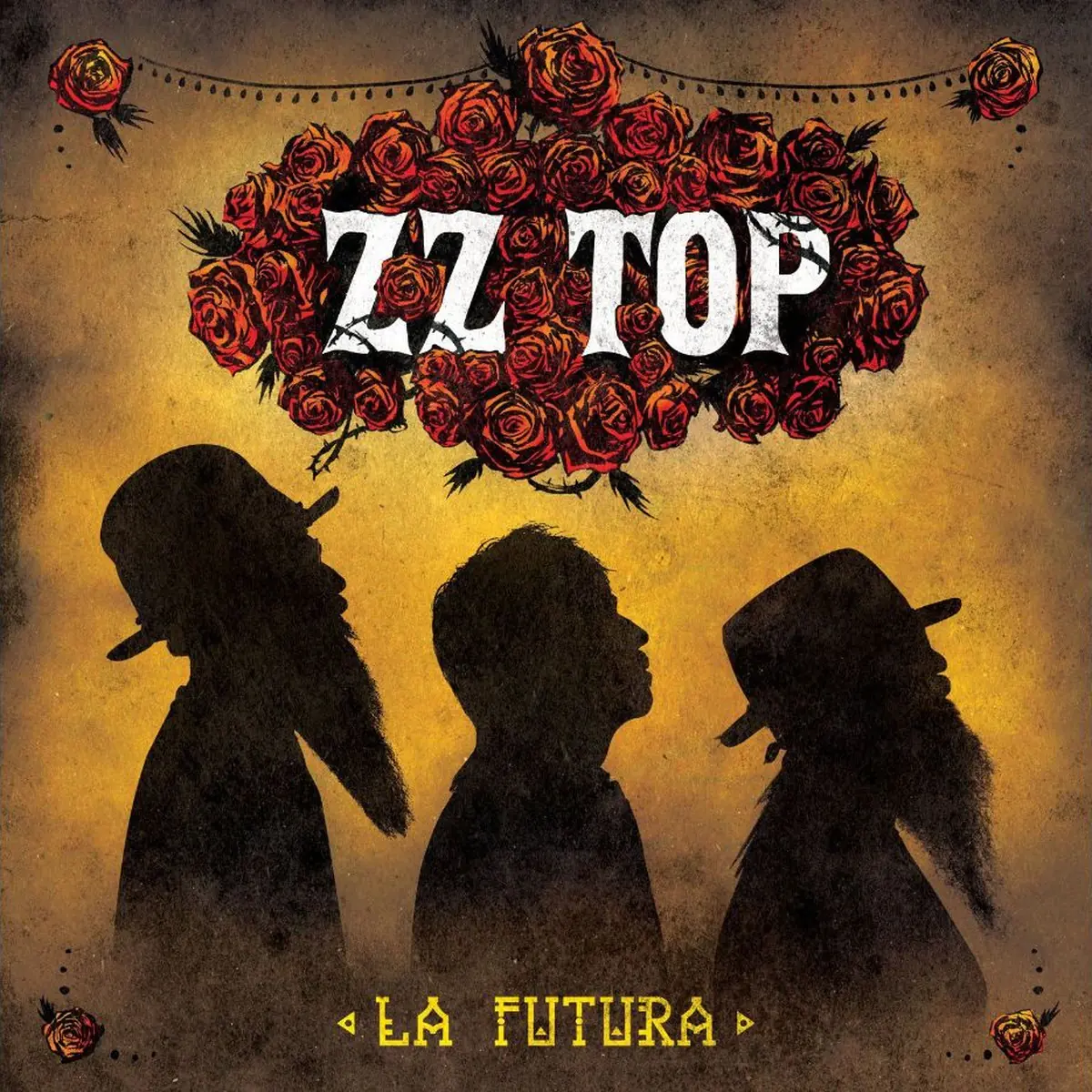
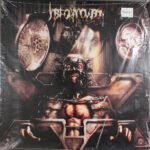
ZZ Top – La Futura – 180 Gram 45 RPM Double Vinyl Record
La Futura arrived in 2012 as ZZ Top’s first studio album in nine years and as a deliberate return to the directness of the band’s early Texas records. Billy Gibbons, Dusty Hill and Frank Beard strip the arrangements back to riffs, groove and the grain of Gibbons’ voice, while co-producer Rick Rubin keeps the sound heavy and sharply separated. I Gotsta Get Paid opens by transforming DJ DMD’s Houston rap track 25 Lighters into a slow, distorted blues. The source is contemporary, but the result is unmistakably ZZ Top: economical guitar, locked rhythm and a hook built to repeat.
Chartreuse follows with the kind of shuffle the trio can make feel both casual and exact. Consumption thickens the guitar tone and uses abrupt dynamic changes to create pressure, while Over You slows the pace for one of the album’s more openly bruised performances. Heartache in Blue brings James Harman’s harmonica into the foreground and leans toward the deep blues foundation beneath the band’s catalog. The first half does not imitate Tres Hombres or Fandango!, but it remembers what made those records work: short arrangements, physical drums and riffs strong enough to carry space around them.
The second half keeps the focus tight. I Don’t Wanna Lose, Lose, You is a compact rocker with a chorus that sounds designed for the trio’s stage set. Flyin’ High lifts the melody without abandoning the record’s low-slung guitar sound; an early version of the song famously traveled into orbit with astronaut Mike Fossum before the album appeared. It’s Too Easy Mañana adapts Gillian Welch and David Rawlings’ It’s Too Easy, taking the material into a dusty, slower groove. Big Shiny Nine restores the swagger before Have a Little Mercy closes with concentrated electric blues.
Gibbons handles the lead vocals and guitar, Hill supplies bass, keyboards and the lead vocal on Drive by Lover in the broader sessions, and Beard remains one of rock’s most disciplined groove drummers. The standard La Futura album contains ten songs, and its economy is important: there are no long jams and little ornamental excess. Joe Hardy contributes piano and Hammond organ, with Dave Sardy also adding keyboards, but those colors stay behind the trio rather than turning the record into a production showcase. Rubin and Gibbons emphasize impact, leaving the band’s internal timing exposed.
The album also carries historical weight as the final ZZ Top studio record released during Dusty Hill’s lifetime. That fact gives the trio’s chemistry added resonance, though the performances themselves are not nostalgic or elegiac. They sound engaged with current production and with Houston music beyond blues rock, especially in the choice of the opening adaptation. La Futura reached the upper tier of the Billboard album and rock charts, confirming that the group could return after a long gap without sanding away the eccentricity, humor and regional identity that had sustained it.
This American Recordings edition spreads the ten-song album across two 180-gram records cut at 45 RPM. The configuration gives the sides more physical space than a single LP and is identified by catalog B0017381-01 and UPC 602537141142. It should not be confused with standard-speed European reissues, CD copies or the deluxe digital version with two additional tracks. The pressing presents the concise original album in a format aimed at greater groove width and playback detail, a particularly sensible match for a record built around guitar texture, bass weight and the precise snap of Beard’s drums.
Brand new, never played and still sealed in the factory plastic



Reviews
There are no reviews yet.