Description
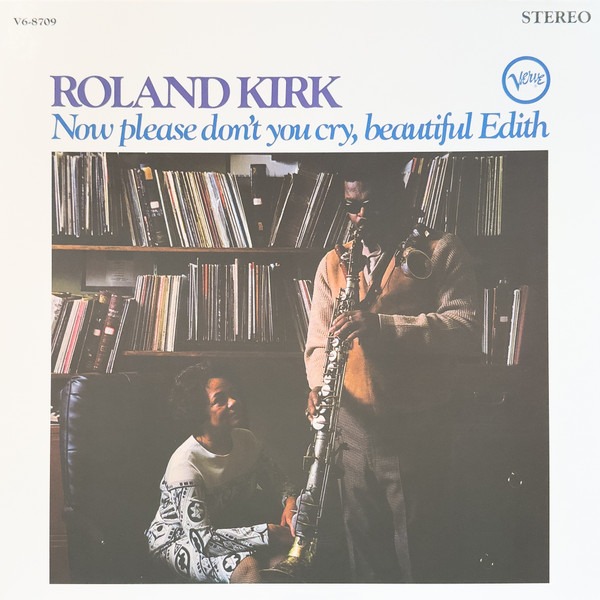
Roland Kirk – Now Please Don’t You Cry, Beautiful Edith – 180 Gram Vinyl Record
Now Please Don’t You Cry, Beautiful Edith is a remarkable jazz album by Roland Kirk, originally released in 1967. The recording stands as one of the most inventive and emotionally engaging works in Kirk’s celebrated catalog, showcasing his extraordinary musicianship, boundless creativity, and unique ability to blend tradition with innovation. Known for his mastery of multiple reed instruments and his unconventional performance techniques, Kirk created music that challenged expectations while remaining deeply rooted in the history and spirit of jazz. Now Please Don’t You Cry, Beautiful Edith exemplifies these qualities, offering listeners a vibrant and highly personal artistic statement.
By the time of this album’s release, Roland Kirk had established himself as one of the most distinctive figures in modern jazz. Renowned for his ability to play multiple saxophones simultaneously and for his adventurous approach to improvisation, he consistently pushed the boundaries of what jazz could be while maintaining a strong connection to blues, swing, soul, and bebop traditions. Rather than pursuing experimentation for its own sake, Kirk sought to expand the expressive possibilities of jazz, creating music that was intellectually stimulating, emotionally resonant, and accessible to a broad audience.
The album’s intriguing title reflects Kirk’s imaginative personality and his tendency to infuse his work with humor, mystery, and emotional depth. Throughout the recording, listeners encounter a wide range of moods and musical ideas, from joyous and energetic passages to moments of reflection and tenderness. This emotional diversity gives the album a rich and dynamic character, allowing Kirk to showcase multiple facets of his artistry.
Now Please Don’t You Cry, Beautiful Edith blends elements of hard bop, soul jazz, blues, post-bop, and avant-garde experimentation into a cohesive and engaging whole. The compositions are inventive yet melodic, providing a strong framework for improvisation while remaining memorable and emotionally compelling. Kirk’s ability to combine sophisticated musical concepts with direct emotional communication is one of the album’s defining strengths, making it both artistically ambitious and deeply enjoyable.
At the center of the recording is Kirk’s extraordinary command of a wide variety of instruments. In addition to tenor saxophone, he employs instruments such as the manzello and stritch—modified saxophones that became closely associated with his unique sound. His performances often feature simultaneous playing of multiple horns, circular breathing techniques, vocalizations, and other innovations that expand the sonic possibilities of the music. These techniques are never mere displays of virtuosity; instead, they serve the expressive goals of the compositions and contribute to the album’s distinctive voice.
The supporting musicians play an essential role in bringing Kirk’s vision to life. Their responsiveness, technical skill, and willingness to embrace Kirk’s adventurous ideas create an atmosphere of collaboration and creativity throughout the recording. Together, the ensemble balances structure and spontaneity, allowing the music to evolve naturally while maintaining a strong sense of cohesion and purpose.
One of the album’s most notable qualities is its celebration of jazz history and tradition. Although Kirk was known for his experimental tendencies, he remained deeply committed to honoring the musicians and styles that shaped the genre. Throughout Now Please Don’t You Cry, Beautiful Edith, listeners can hear echoes of swing, blues, gospel, and early jazz alongside more modern influences. This fusion of past and present reflects Kirk’s belief that innovation and tradition should coexist rather than compete.
The album also highlights Kirk’s gift for storytelling through music. Many of the performances feel narrative in nature, unfolding with a sense of direction and emotional progression. His improvisations often resemble conversations, combining technical brilliance with humor, drama, and emotional honesty. This ability to communicate complex ideas and feelings through instrumental performance is one of the reasons he remains such a respected and influential figure in jazz history.
The album was praised for its originality, musicianship, and artistic vision. Over time, it has come to be recognized as one of the key recordings in Roland Kirk’s extensive discography and as an excellent example of his ability to bridge diverse musical traditions while maintaining a unique personal voice. The recording continues to inspire musicians and listeners who appreciate creativity, individuality, and fearless artistic expression.
With its imaginative compositions, extraordinary performances, and rich emotional range, Now Please Don’t You Cry, Beautiful Edith stands as a testament to Roland Kirk’s singular genius. The album captures an artist who refused to accept limitations, using his remarkable talents to create music that is innovative, joyful, soulful, and deeply human. Rich in character, invention, and musical brilliance, it remains an essential recording for jazz enthusiasts and a lasting celebration of one of the genre’s most original voices.
Brand new, never played and still sealed in the factory plastic
Track Listing
Blue Rol
Alfie
Why Don’t They Know
Silverlization
Fallout
Now Please Don’t You Cry, Beautiful Edith
Stompin’ Grounds
It’s A Grand Night For Swinging